
Planning in the National Park
Find out whether you're in the National Park or need to contact a council's planning service if you're outside the boundary
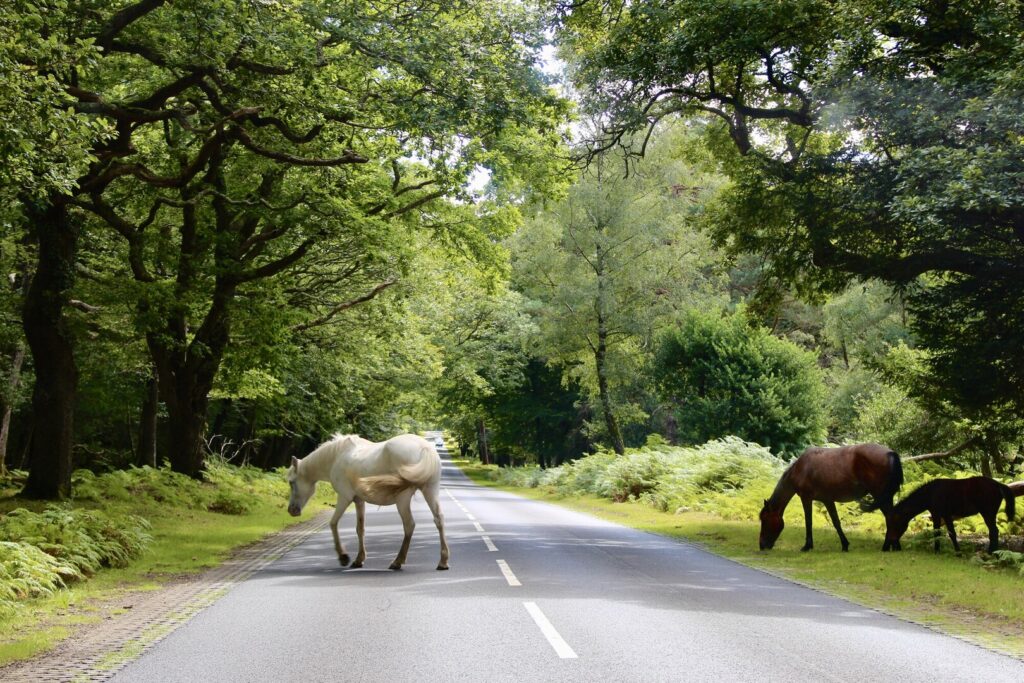
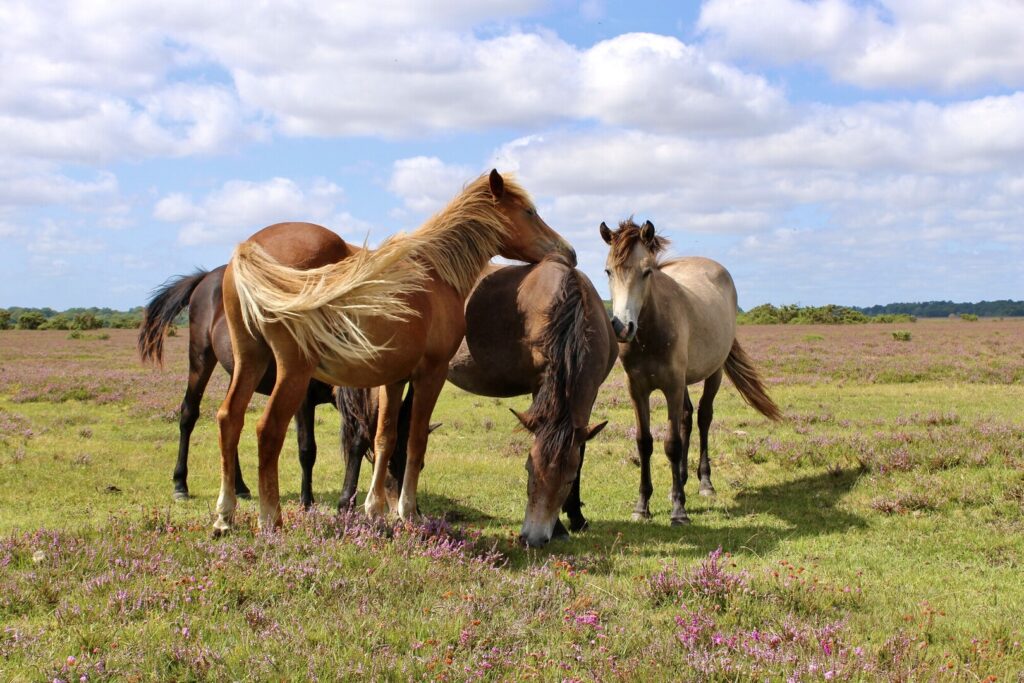
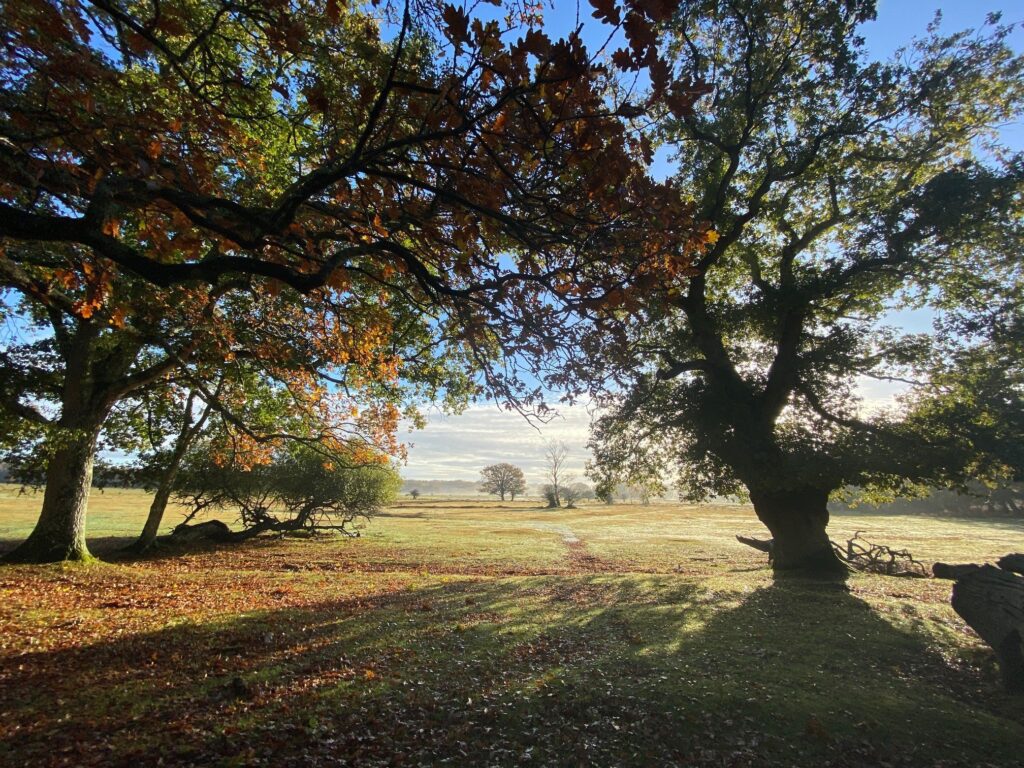
Living here is a privilege. It’s an amazing place with lots of wildlife, thousands of free-roaming animals, spectacular landscapes and thriving local communities.
If your home is next to the Open Forest (where the commoners’ animals graze), you can play your part in preserving and protecting the New Forest National Park.
A few cattle, ponies or pigs can do a lot of damage to a carefully tended garden in a matter of minutes and they may be dangerous if they feel threatened or confined.
Livestock may also come to harm from eating poisonous garden plants, falling into swimming pools or coming into contact with greenhouses, children’s play equipment for example.
The animals will go onto private property in search of food, so it is important to check regularly that fencing and hedges are stock-proof and it is the homeowner’s responsibility to keep them out.
For full advice, find out about the New Forest river catchment project and download our leaflets about septic tanks and the Water Code by Freshwater Habitats Trust below.
There are over 2,000 deer in the National Park and in many areas they are regarded as pests because of the damage they cause in gardens.
To keep out deer, fencing must be at least 1.5m tall with a maximum mesh size of 10cm by 10cm; it must also be staked to the ground or partially buried to prevent deer from pushing underneath. Electric fencing can deter larger deer species, but repellents such as lion dung and human hair are not effective despite popular opinion!
A good way to protect your favourite plants from deer while maintaining a healthy, diverse garden is to provide alternative plants for them to eat. By allowing brambles, rosebay willow-herb, rowan (mountain ash), dandelion, campion, hoary cinquefoil, knotweed, sweet lupin, redleg, ribwort and yarrow to grow, you may tempt them away from your favourite roses.
Very rarely a deer may become entangled in a fence or netting within a garden. It may become very distressed and in the New Forest you should call Forestry England on 0300 067 4600 (24hrs) for help. Depending on where you live or the severity of the situation, you may be asked to call the RSPCA or even the Police.
Keep your distance from the animals and don't feed or pet them - you may be fined.