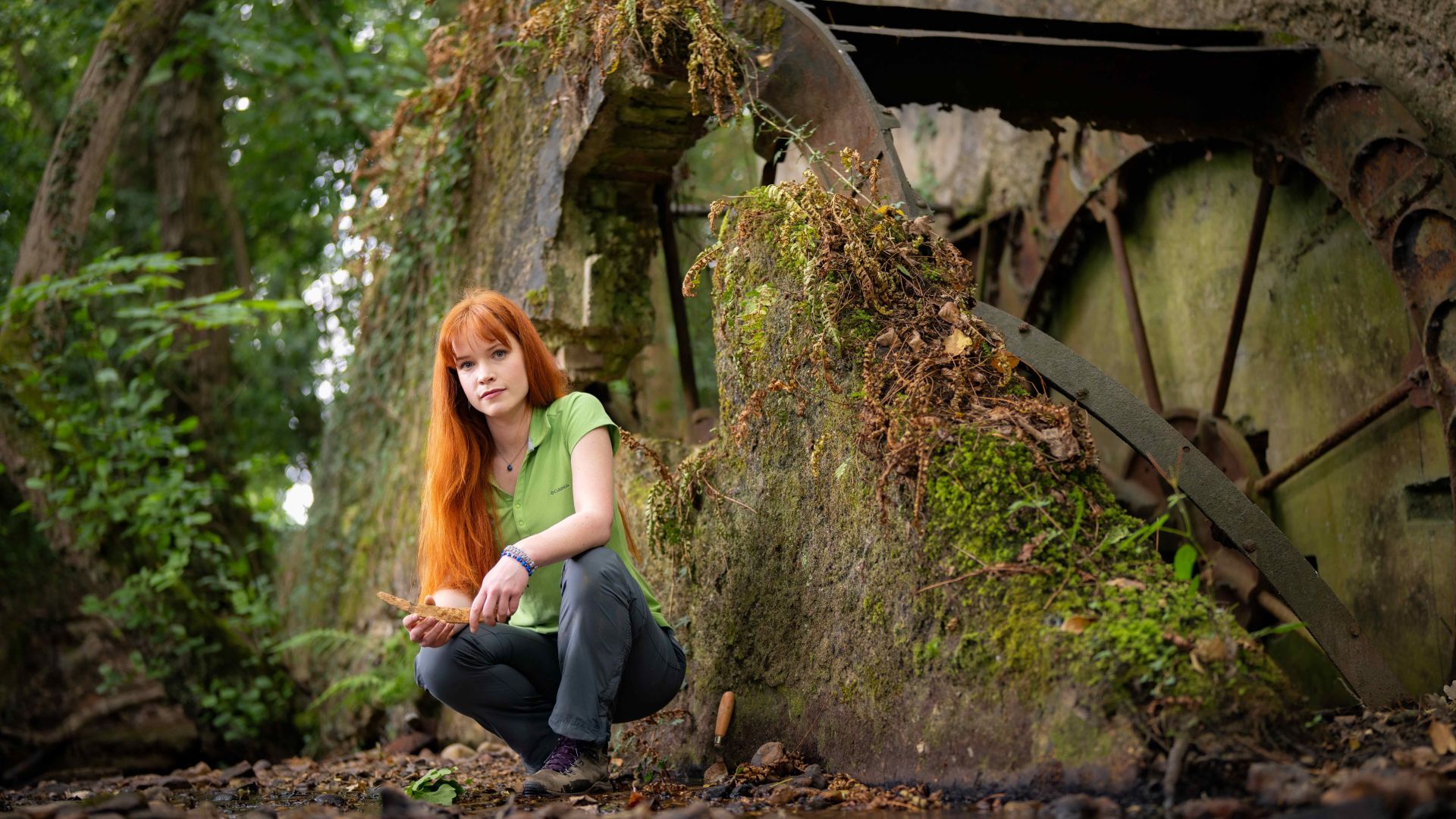
Community archaeologist
What does a day as a New Forest archaeologist look like, and what might surprise people?
No two days are ever quite the same as a New Forest archaeologist. One day I could be out in the Forest surveying features before forestry work and the next I could be giving planning advice to ensure new developments don’t damage important archaeological sites.
People can be surprised that a large part of my job is about prevention. I help ensure heritage is considered before groundworks start, whether that’s for new housing, path repair work, or woodland management. What I do is as much about protecting sites as it is about discovering them.
I work with a huge variety of people to do this, from landowners, Commoners, and foresters to volunteers and other specialists.
How did you become an archaeologist?
I wanted to become an archaeologist for as long as I can remember, and I still have the bits of clay pipe and pottery I found in the garden as a child.
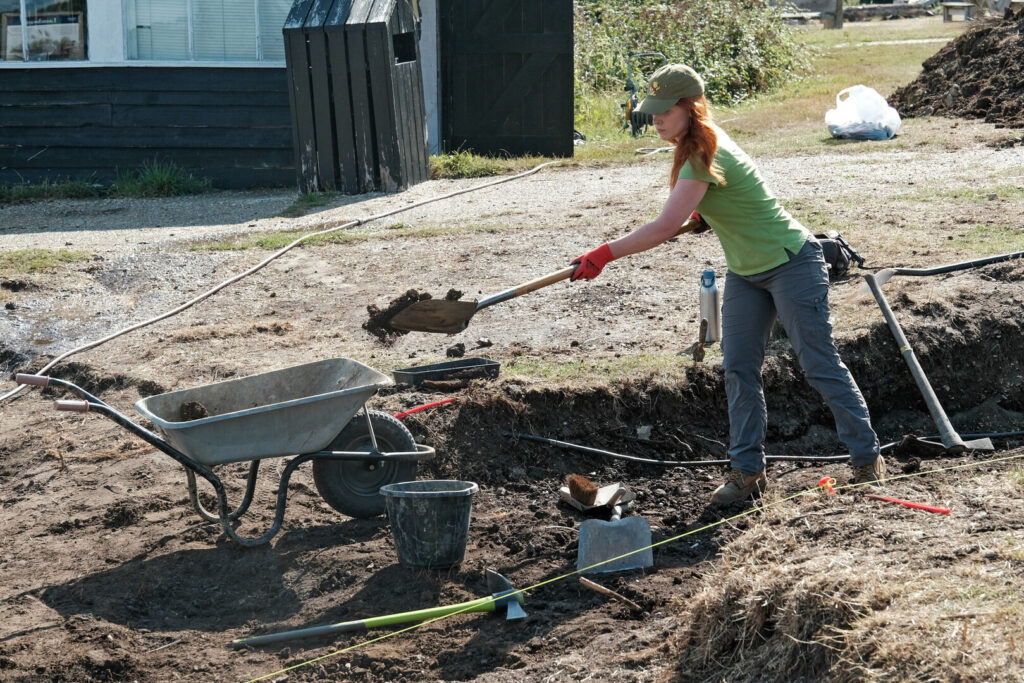
I studied the subject at university and got a fieldwork job at a commercial archaeology company, which was a great way to hone my digging skills.
You don’t need a degree to become an archaeologist though, and some of the best diggers I know came into it through other paths such as agency placements and volunteering.
I’ve found archaeology an immensely rewarding career and would encourage anyone to give it a go. Passion for the subject really does go a long way!
What have been some highlights of your job?
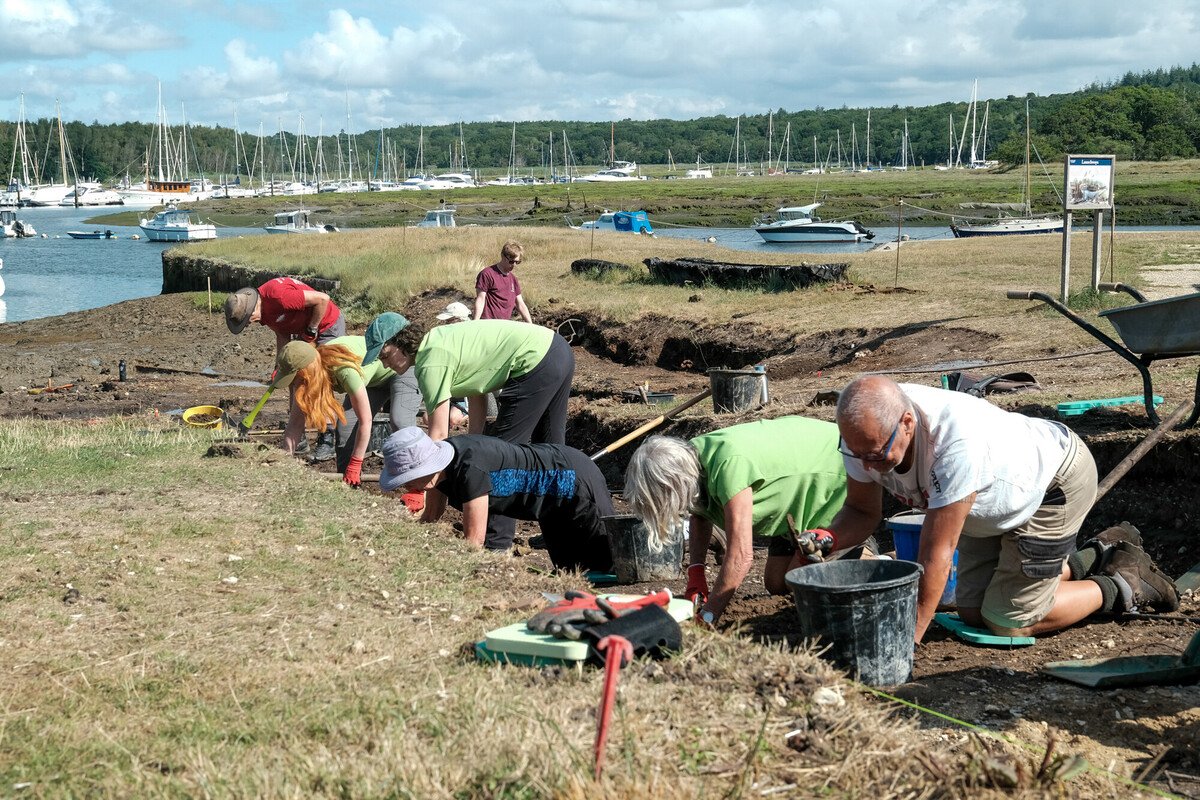
My favourite part of the job as a New Forest archaeologist is working with our amazing volunteers. Together we’ve cleared damaging vegetation on countless Bronze Age barrows across the Forest, which has been tough but satisfying work.
Working with our volunteers and supporting partners to uncover one of the slipways at Buckler’s Hard recently was an absolute joy.
How important is heritage in the New Forest?
Heritage is at the heart of what makes the New Forest special – layers of human activity are woven into the landscapes, from prehistoric burial mounds to medieval hunting grounds, military training sites to centuries-old commoning practices.
Heritage shapes the way the Forest looks, feels, and functions today. Protecting it and sharing it with the community means keeping the Forest’s story alive for future generations.
How can people protect and engage with the heritage around them?
You can start by noticing it – a low hump in the grass, a bank in the woods, or a scattering of flint on a path could all be clues to the past – while heritage trails, local history groups, or our online resources, are great ways to learn more.
The golden rule is to leave things as you find them to help look after sites. So, avoid climbing on earthworks or removing finds from the ground – even small amounts of damage can add up over time.
You should report anything unusual you spot to the National Park Authority Archaeology Team – it could be an important new discovery.
Perhaps most importantly, share what you learn. The more people value heritage, the better protected it will be.