Planning guidance
Protecting wildlife and ecology
Ecology is a key consideration in the planning process and plays an important role in protecting wildlife, plants and habitats. This is particularly important in the New Forest National Park, which supports a rich and diverse range of internationally, nationally and locally important species and habitats.
When preparing a planning application, you may need to submit an Ecological Report prepared by a suitably qualified ecologist. This is likely to be required where development is within, adjacent to, or likely to affect:
-
Internationally designated sites, such as Ramsar sites
-
Nationally designated sites, including Sites of Special Scientific Interest (SSSIs)
-
Locally designated sites, such as Sites of Importance for Nature Conservation (SINCs)
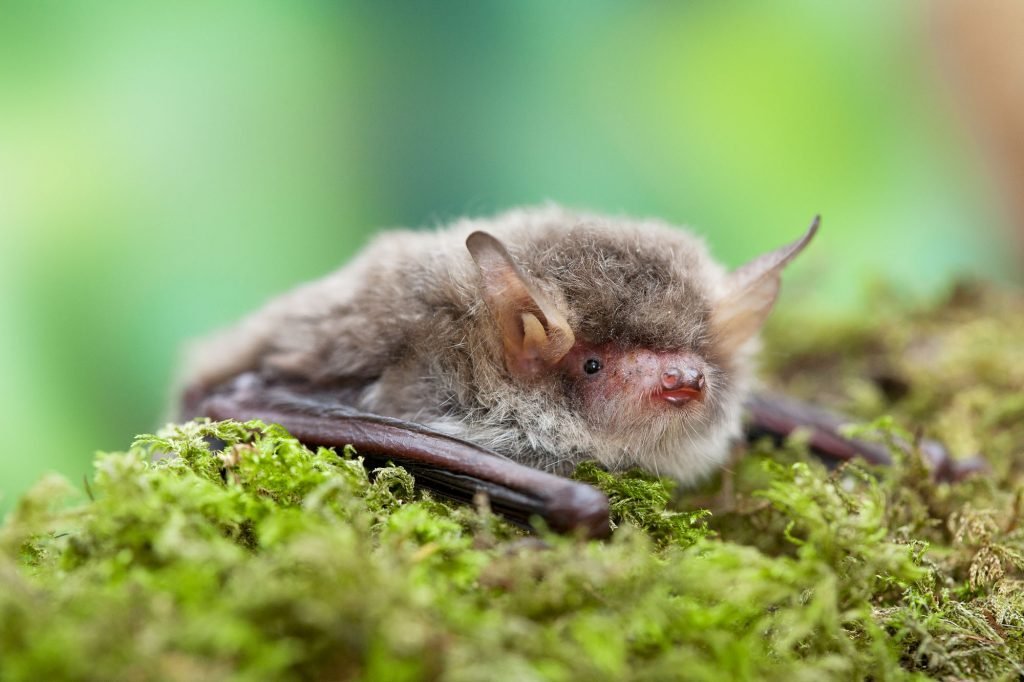
You may also need specific surveys, such as a bat survey, if your proposal involves certain types of development, particularly where favourable habitat or designated land may be affected.
Development types that may require ecological assessment include:
-
Demolition of buildings, including barns, outbuildings and dwellings
-
Extensions that disturb roof structures, involve roof raising, or include new or altered rooflights or dormers
-
Works affecting external features such as cladding or hanging tiles
-
Changes of use that result in the loss of habitats, including hedgerows, woodland, grassland, wetlands or brownfield land with potential ecological value
-
Development within or close to nationally or locally designated nature conservation sites
-
Proposals that could lead to increased visitor pressure on designated sites
Habitats within residential gardens may also require appraisal.
Submitting ecology information with your application
Government guidance advises that impacts on protected species should be addressed before submitting a planning application and should not be dealt with by condition. For this reason, it is important to commission any required ecological surveys at an early stage.
This is particularly important for species such as bats, as surveys can only be carried out at certain times of year. Identifying species presence and assessing potential impacts can be complex, and engaging a suitably qualified ecological consultant is often a cost-effective and valuable step.
Some species are protected by law. For example, intentionally or recklessly disturbing bats, or damaging or obstructing a bat roost (even if unoccupied), is a criminal offence. Professional ecological advice helps protect both wildlife and applicants.
If an initial Ecological Report identifies the need for further surveys, these must be completed and submitted with your application. Failure to do so may result in delays or refusal. Survey seasons can be busy, particularly towards the end of the appropriate survey period, so early engagement with an ecologist is strongly recommended.
Ecology survey timing
You can refer to our Ecology Calendar for guidance on when certain surveys are typically undertaken. This calendar is indicative only, and your ecologist will be able to advise on the most appropriate timetable for your specific proposal.
Ecology calendar – Ian Barker
Supporting biodiversity
Even where an Ecological Report is not required, applicants are encouraged to consider the wider wildlife and ecology of the New Forest. Incorporating biodiversity features such as bird nesting boxes or insect bricks into new development can help support local species.
Further information
-
To find a suitably qualified ecological consultant, visit the Chartered Institute of Ecology and Environmental Management (CIEEM) Members’ Directory.
-
For more information about wildlife in the New Forest, visit our Wildlife pages