16 September 2025
Keep your distance from the animals and don't feed or pet them - you may be fined.
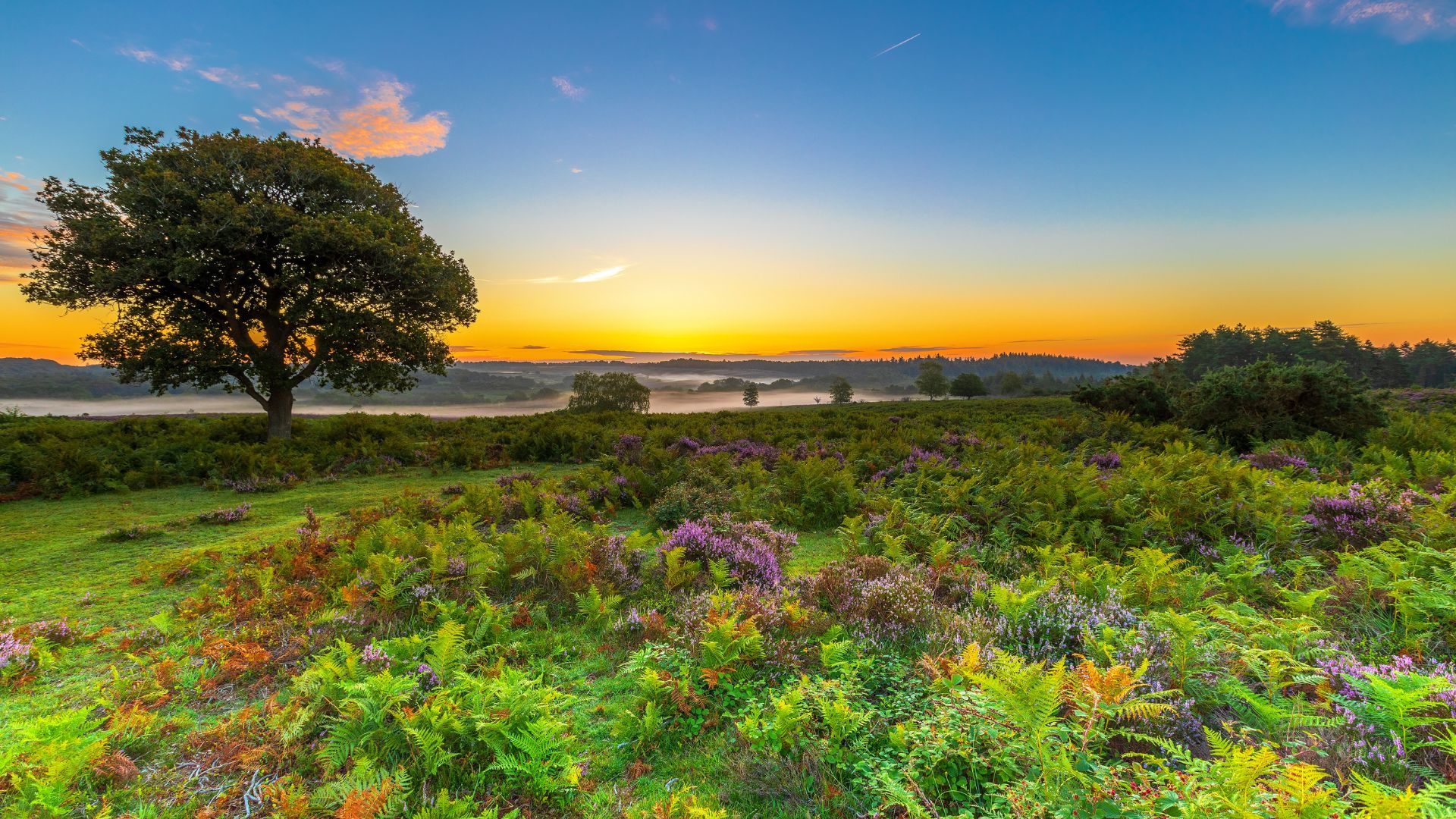
It contains the largest area of lowland heath in southern England, a rare habitat that once covered this part of the country. But the New Forest is not a natural landscape, it has been shaped by man, by history and by the grazing of animals for many hundreds of years.
They have also been hewn into some fantastic items, including furniture, musical instruments, toys, bowls and sculptures. They are havens for wildlife, and the fascinating world of fungi depends on them too. Trees also play an important role in combating climate change by capturing harmful carbon emissions from the air around us.
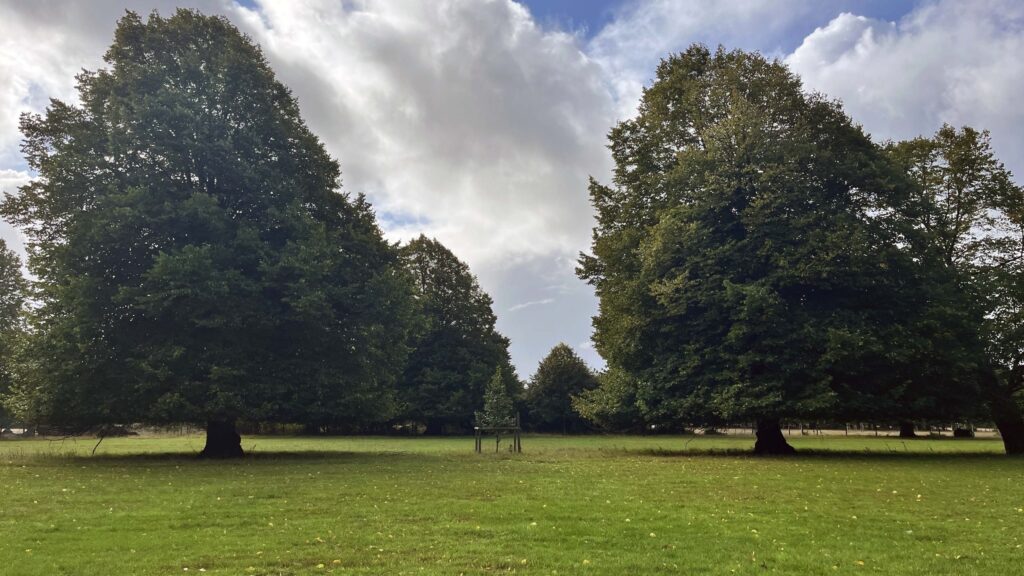
Trees are at the heart of the New Forest, shaping its landscapes, habitats and history. Ancient oaks, beech and holly support an extraordinary range of wildlife, from insects and fungi to birds and mammals, while also helping to regulate climate, store carbon and protect soils. Many of the Forest’s trees are hundreds of years old, forming part of a living landscape that has developed over centuries.
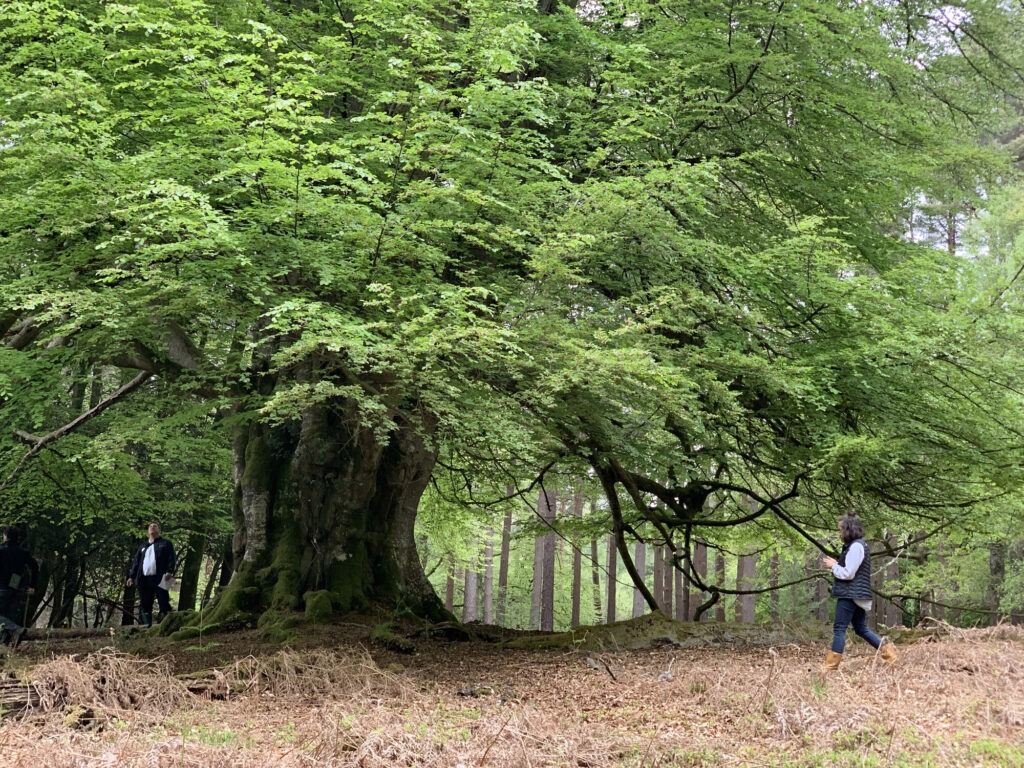
Immensely old, and full of character and charisma, ancient trees are rare. They have been sculpted by time and revered by generations of local people.
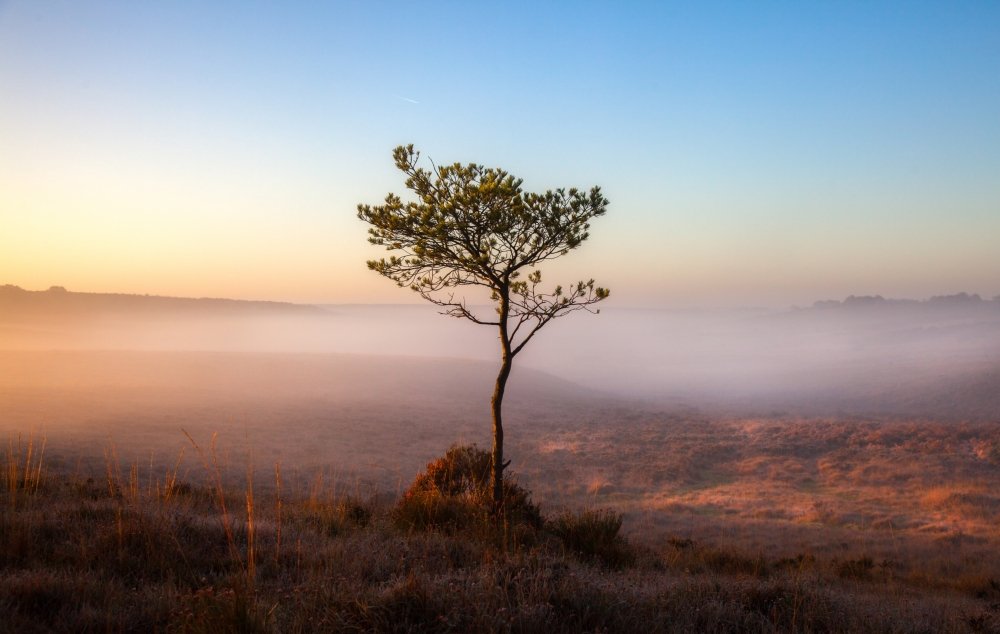
Over the years, trees have been used for many things in the New Forest. They provide us with shelter, fodder for cattle, food for humans, and charcoal for fire.
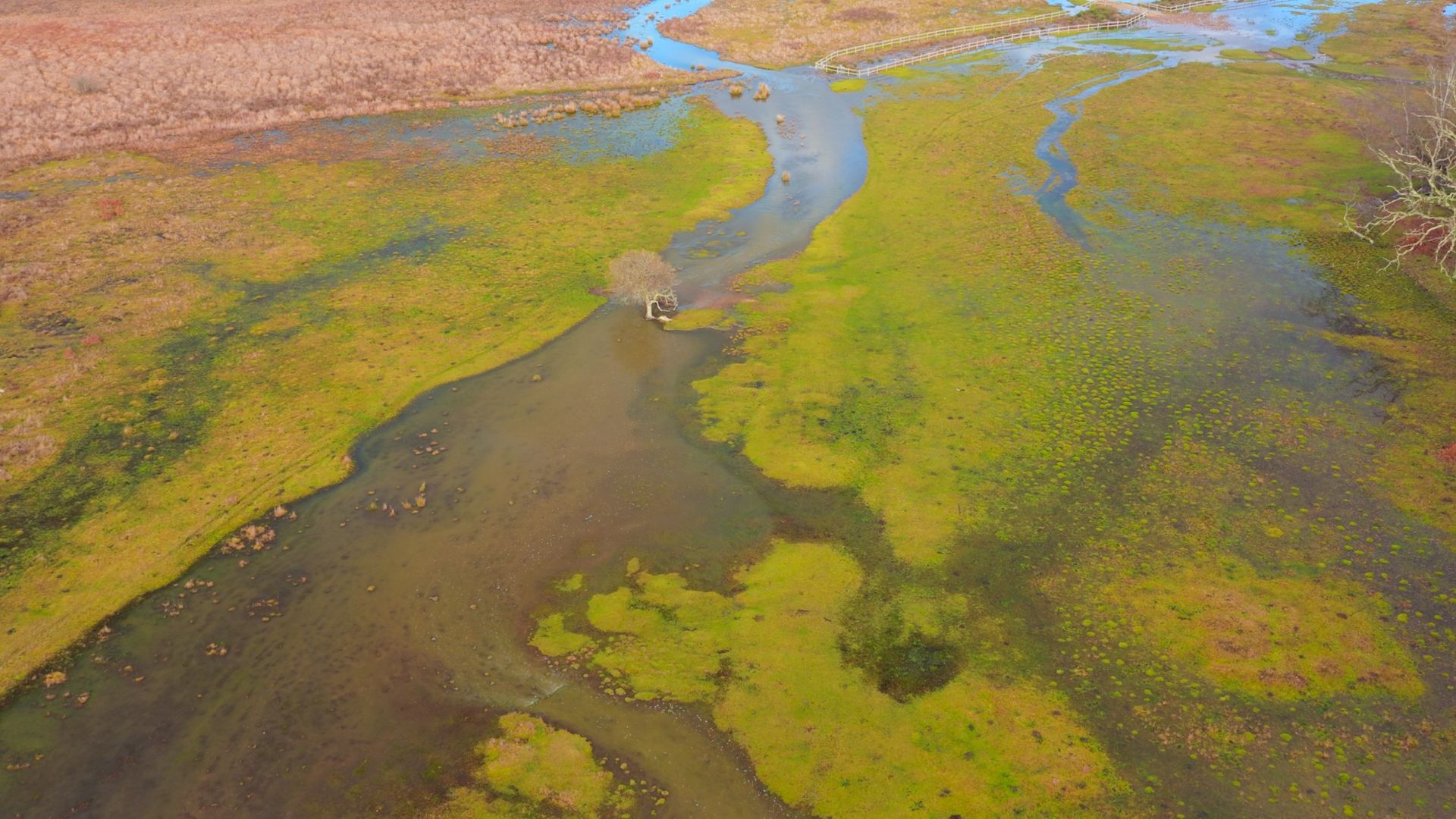
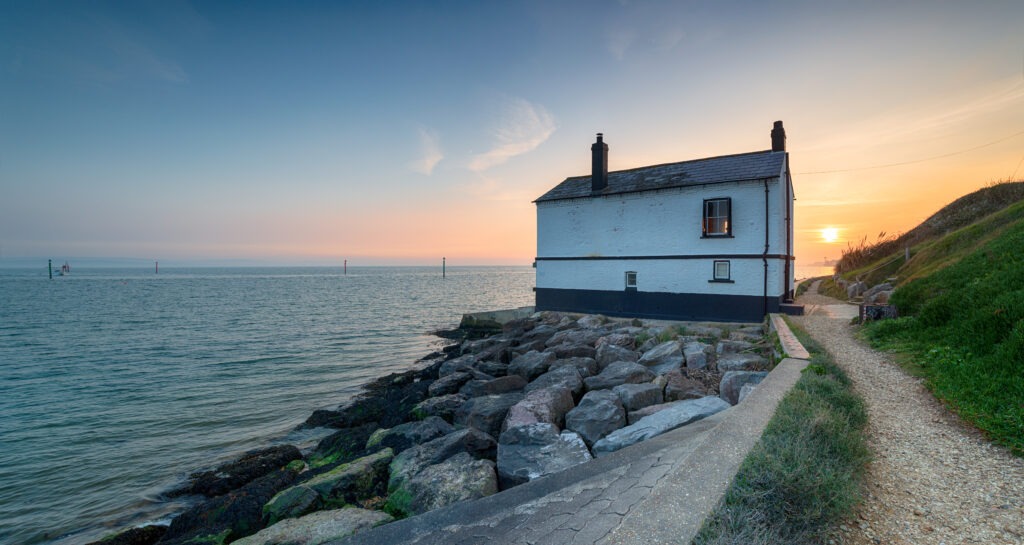
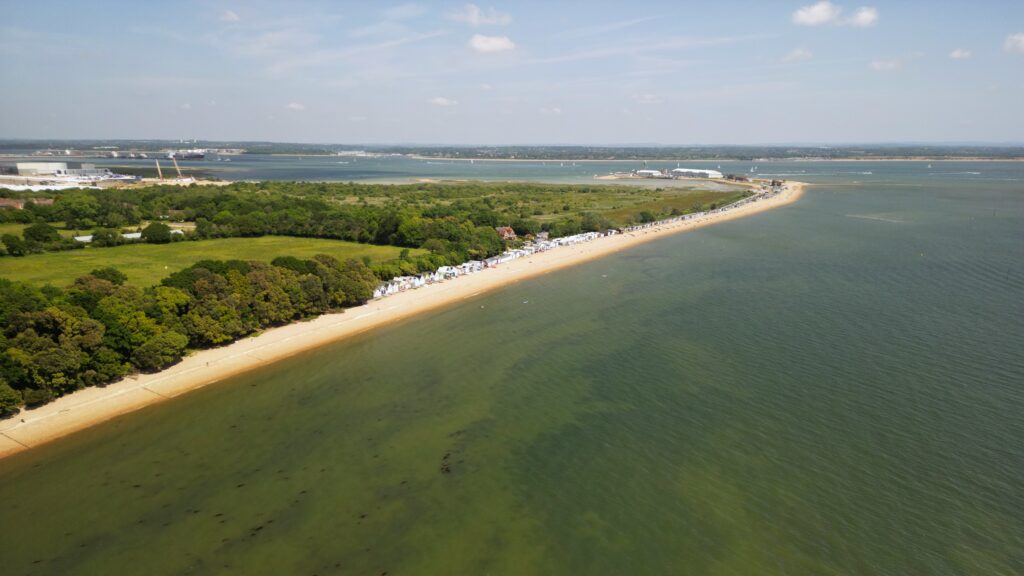
The New Forest’s coast is a mix of wildlife-rich shingle, saltmarsh, lagoons and mudflats, and much of it is protected by law for its importance for nature. Home to many species, particularly birds, the coastal mudflats are a vital refuelling post for tens of thousands of migrating waders that include godwits, snipe and avocet.
Where there are large concentrations of wading birds, there are often also predators such as peregrine falcon. There are also large flocks of Brent geese that overwinter on the Forest’s coast from their Siberian breeding grounds. They come in their thousands to feed on the eel grass beds.
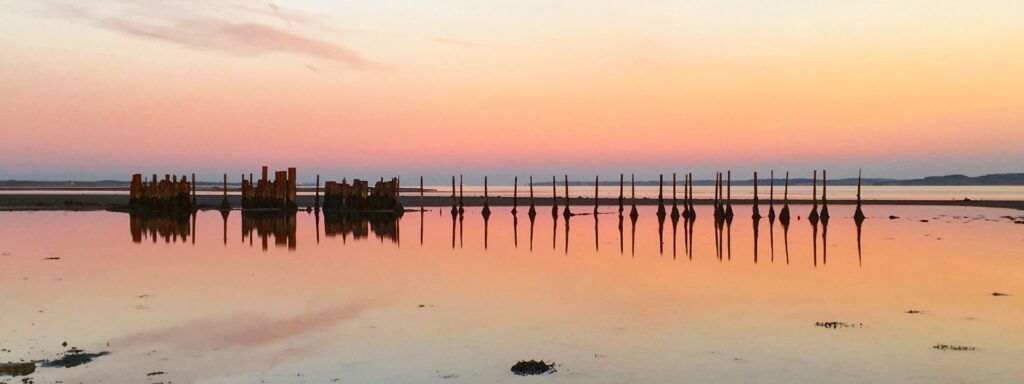
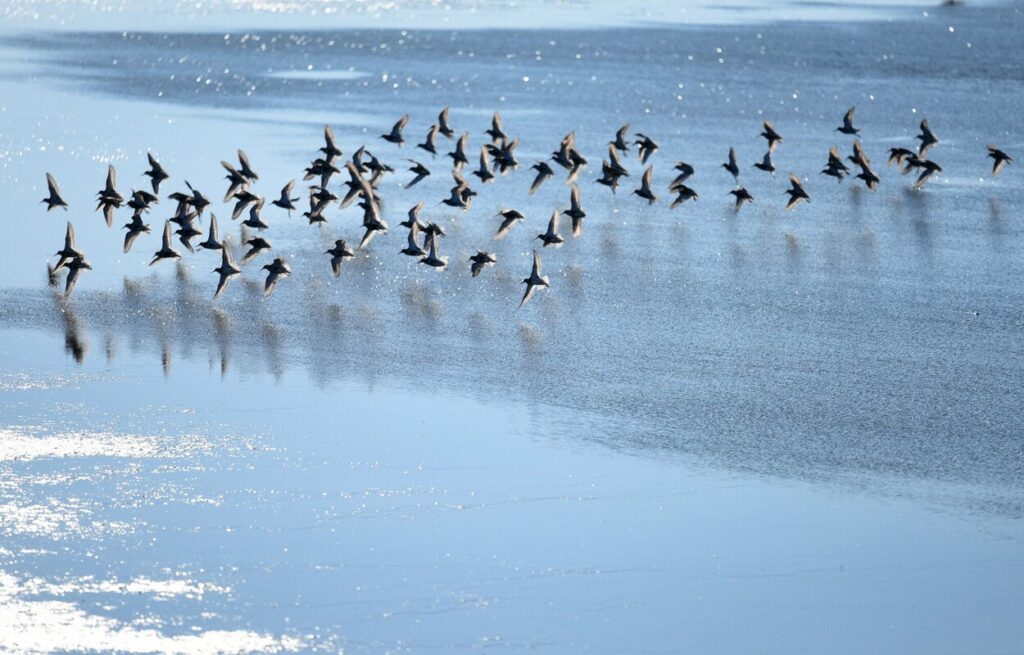
Heathland is rarer than rainforest. The New Forest has the most extensive area of heathland remaining in Europe (over 10,000ha – the equivalent of 14,000 football pitches). Drier areas are dominated by heather, with bracken and gorse and a very rich lichen flora.
The term heathland is used to describe a number of different habitats such as heather dominated heaths, grasslands and waterlogged bogs or mires.
Each of these elements of heathland has its own characteristic species and ecology. Heathlands develop where the geology and soils suit the heathland vegetation.
Common heather (ling) and related low growing shrubs belong to the heather family of plants (ericaceae). Heath habitats are dominated by these ericaceous shrubs with different species favouring different soil conditions.
Dry heaths are dominated by ling, bell heather and gorse. They are found on the dry, freely draining podzol soils. The diversity of higher plants is usually low but interesting lichen communities develop. Mature dry heath is important for the Dartford warbler, sand lizard and smooth snake.
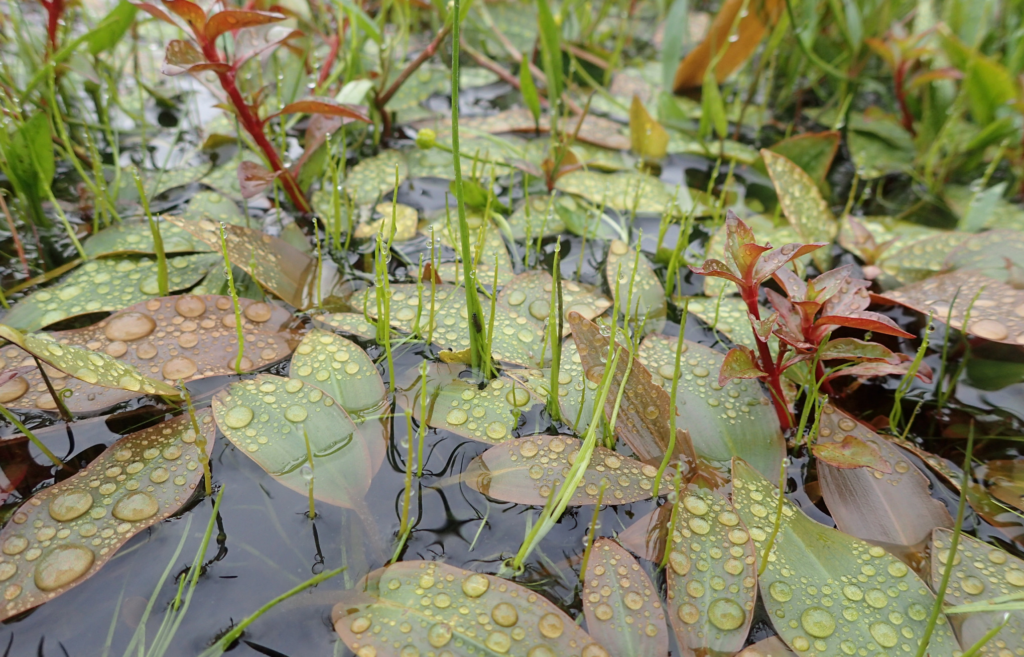
As the ground becomes wetter, ling cannot compete and wet heath plants such as cross-leaved heath, purple moor-grass and deer grass are common. This type of community is found on gently sloping valley sides and low lying depressions.
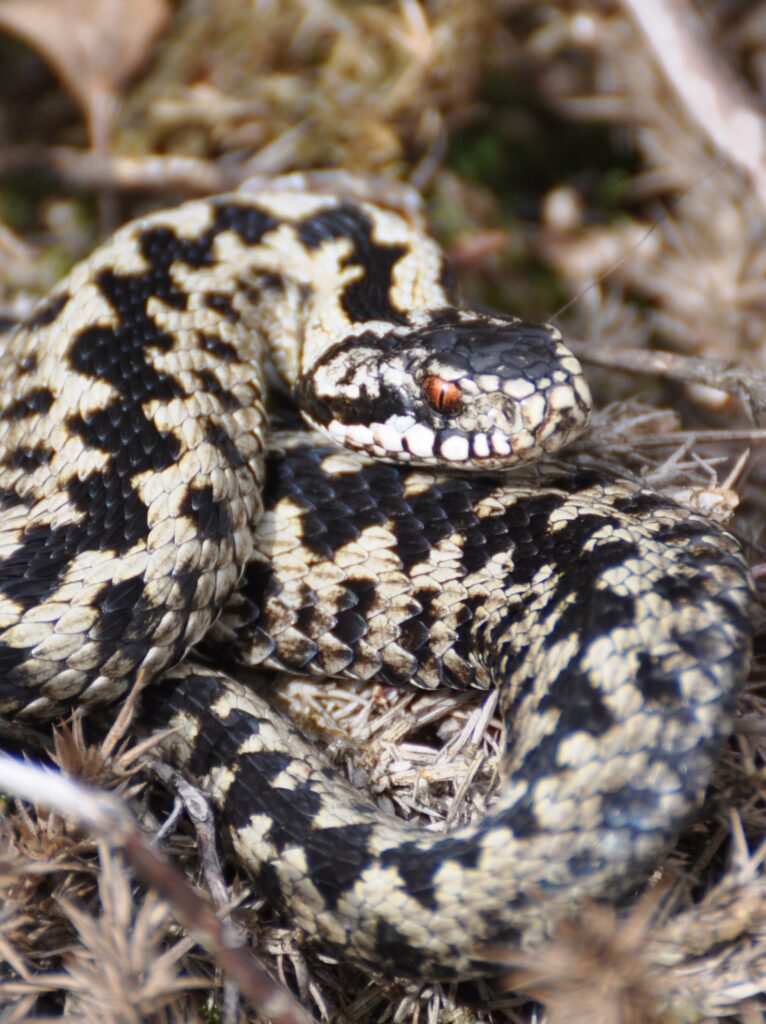
Britain’s rarest reptile – the smooth snake – is found in good numbers despite declining elsewhere due to loss of heathland in other parts of southern Britain. Wetter areas support unusual plants such as marsh gentian and greater sundew.
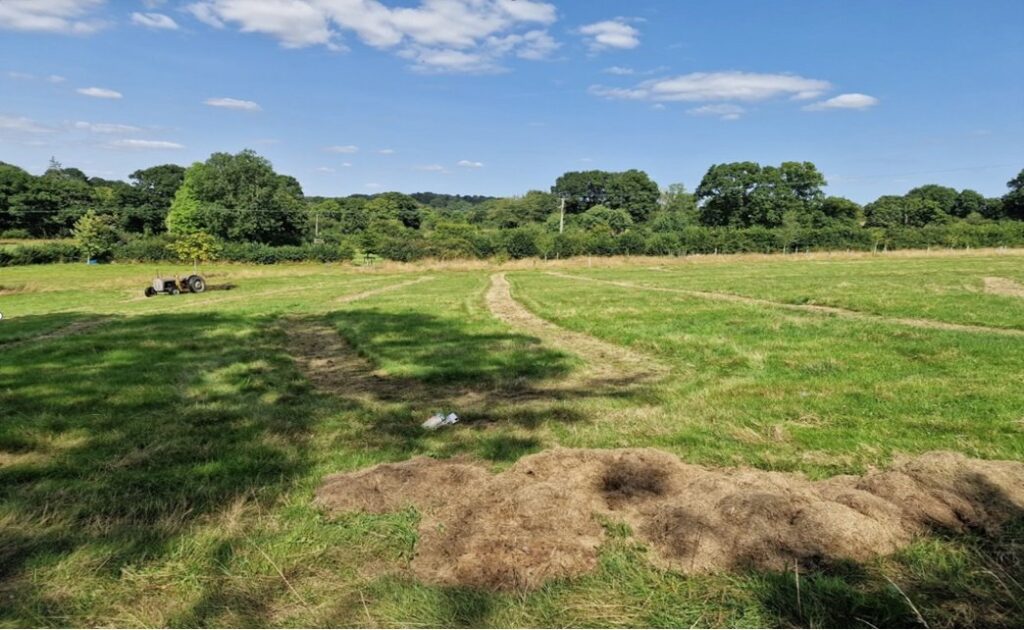
Since the time of the earliest prehistoric forest settlements, agriculture has been the basis of the rural economy and way of life on the more fertile land surrounding the heathland, valley mires and pasture woodlands, locally known as the open forest. Much of the fertile area was enclosed as private farmland at the time the Royal forest was formed, and many of the fields still show typical medieval boundary patterns.
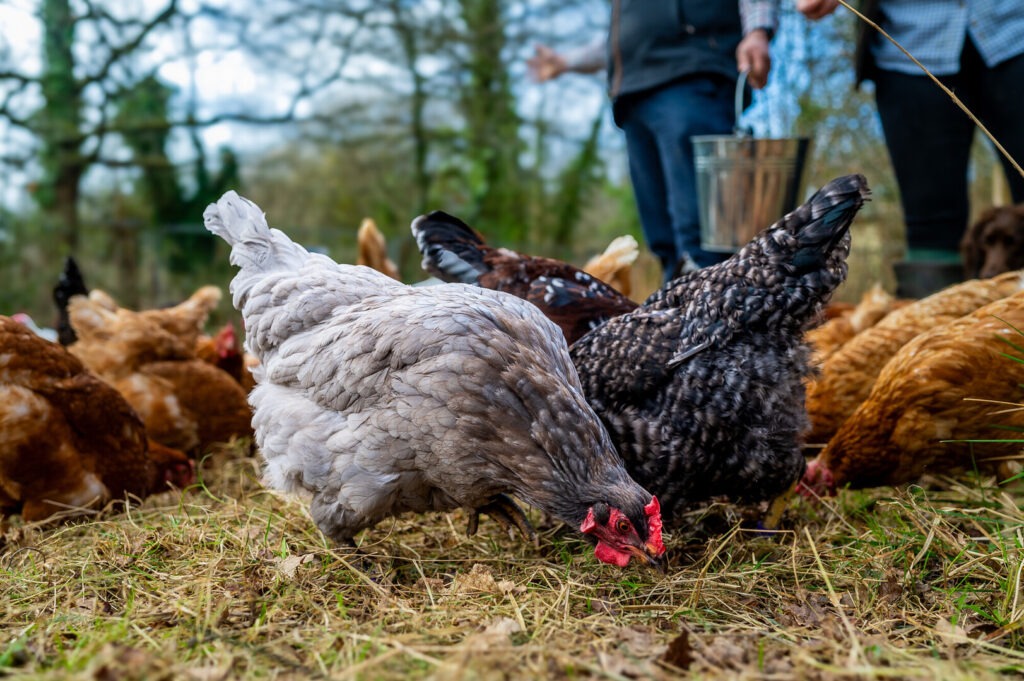
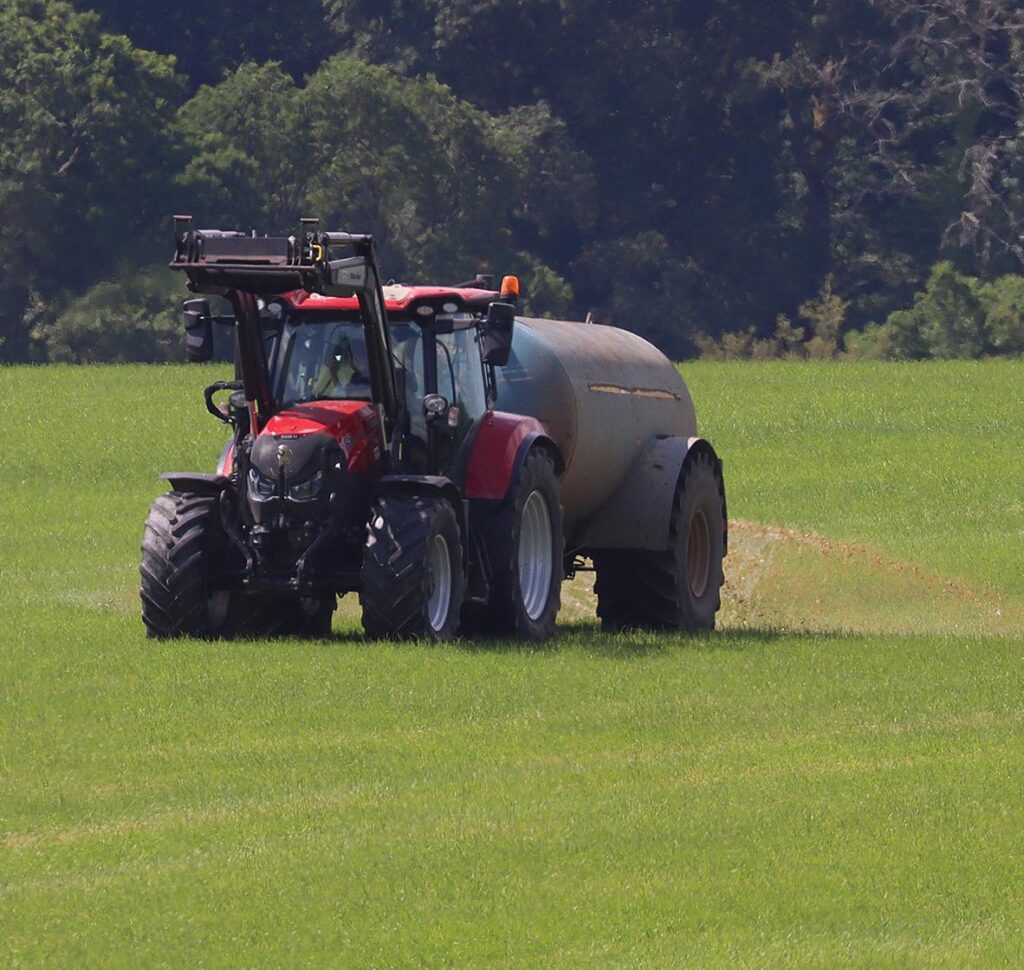
The farming economy remains the major land use in the National Park, and has retained close links with the central open forest which is used by commoners to graze their stock.
If you manage land in and around the New Forest and Avon Valley there is a free, independent advice service for you called the Land Advice Service.
Rivers and streams cutting through the plateau have formed gently sloping valleys between low flat-topped hills and created much of the rolling landscape towards the centre of the Forest. Towards the north the valleys are deeper, whilst near the coast the land is flatter and more open. The whole area is contained within a downfold of the surrounding chalk, forming part of the Hampshire Basin.
The New Forest National Park sits in the Hampshire ‘Basin’ – a shallow dip surrounded by the chalk downlands of Hampshire, Wiltshire and Dorset with the prominent ridge of the Isle of Wight to the south. Gravel, sand and clay predominate, dating from the time when the entire New Forest area was a shallow sea or large river estuary. The landscape is punctuated by a number of sand and gravel pits, both disused and active.
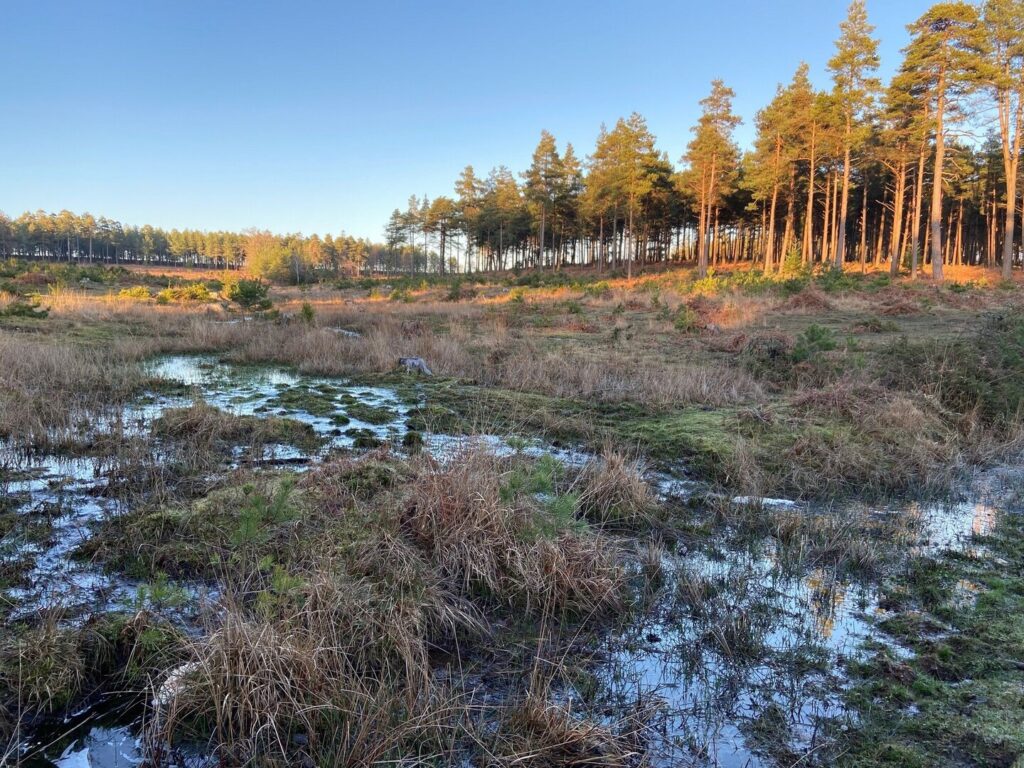
The bed of clay a metre or less below the surface is a hard, impervious layer and creates the saturated, spongy earth that is characteristic of large parts of the National Park. Forest soils are generally derived from soft clays and sands, overlain in many areas by deposits of flint, gravels and windblown brickearth.
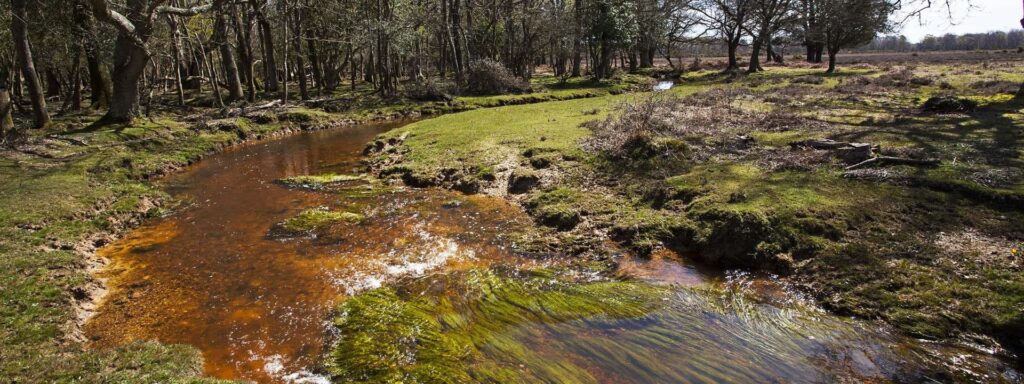
A number of sites within the New Forest National Park are of recognised geological importance.