53.22%
of Sites of Special Scientific Interest (SSSIs) in favourable condition
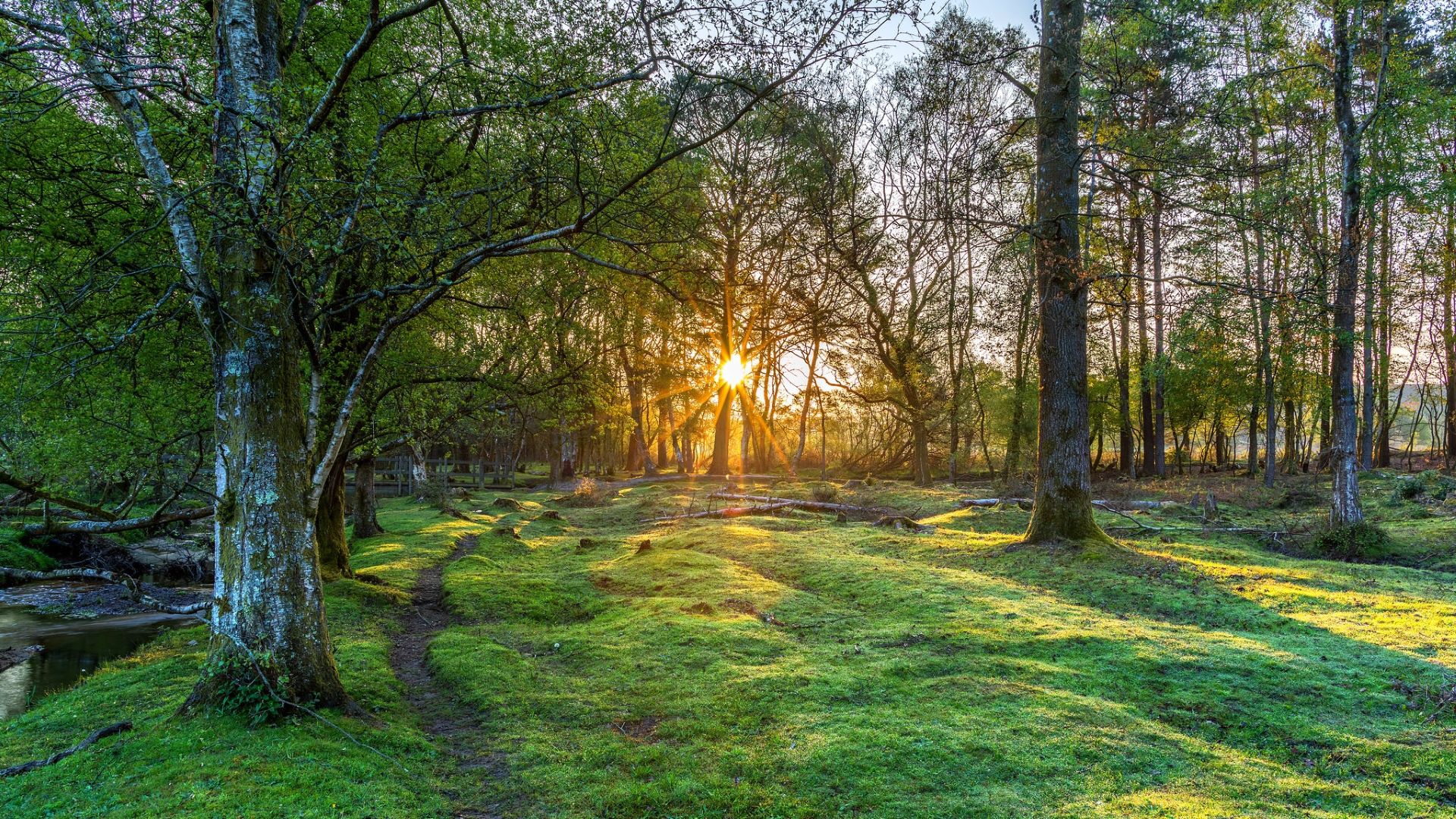
In 2019, we celebrated the 70th anniversary of the National Parks and Access to the Countryside Act 1949, which led to the designation of the first national park in England, the Peak District National Park.
We now have 10 national parks in England and the New Forest was one of the last to be formally designated in 2005. Covering 220 square miles on the central south coast of England, it is the smallest national park in the UK, other than the Broads. Yet it is also home to more than 34,000 people and 2,500 local businesses. More than 16 million people live within a 90-minute drive of the New Forest and its ease of access make it one of the most visited national parks in the country.
Our national parks are the ‘breathing spaces’ for the nation and over 70 years on from the first designation, the Government recognises national parks as our most iconic and beautiful places, representing our shared heritage and national identity, and home to many of our rural communities and businesses.
The Government sets out a vision for nationally protected landscapes as: ‘A coherent national network of beautiful, nature-rich spaces that all parts of society can easily access and enjoy. Protected landscapes will support thriving local communities and economies, improve our public health and wellbeing, drive forward nature recovery, and build our resilience to climate change.’
The central role of this plan is to guide and coordinate the work of all those with an interest and influence in the National Park in delivering the National Park purposes and duty.
This includes organisations with statutory responsibilities, land management interests, businesses, local communities and user groups.
It is a Plan for the National Park, not the National Park Authority.
All those with interests in the New Forest National Park should take account of the Partnership Plan’s vision for the area and embed the relevant actions within their own work programmes.
This Plan outlines the key drivers and challenges facing the National Park and sets out how these will be addressed collectively. It sets out an overall approach to managing the National Park for the next five years, which will frame more detailed policies and actions over this period. It will guide and align the priorities and resources of the National Park Authority with those of partner organisations, businesses and communities who are key to the implementation of our collective ambitions.
Our intention is that it will also influence wider decisions and investment of all those who have a part to play in protecting this most special landscape. It will also enable the support and engagement of communities in and around the New Forest who have a crucial role in achieving a positive future for the National Park.
We are building on many achievements from the previous Partnership Plan. Its legacy includes success in securing and managing grants for projects across the Forest together, such as the Heritage Lottery funded landscape partnership ‘Our Past Our Future’ and the Verderers’ of the New Forest Higher Level Stewardship Scheme. More recently grant funding has been secured due to this track record of successfully delivering large partnership projects.
This Partnership Plan has been prepared with input and support from the main statutory organisations who share responsibility for delivering the aims and objectives of the Plan. Its scope was set by a widely advertised call for views at the New Forest Show in 2019, followed by a public ‘snapshot’ survey in 2020 with over 2,700 responses. The resulting draft Partnership Plan received responses and feedback from over 380 individuals and organisations as part of the public consultation in summer 2021. The feedback and comments received from partners and the local communities have undoubtedly helped to strengthen the Plan.
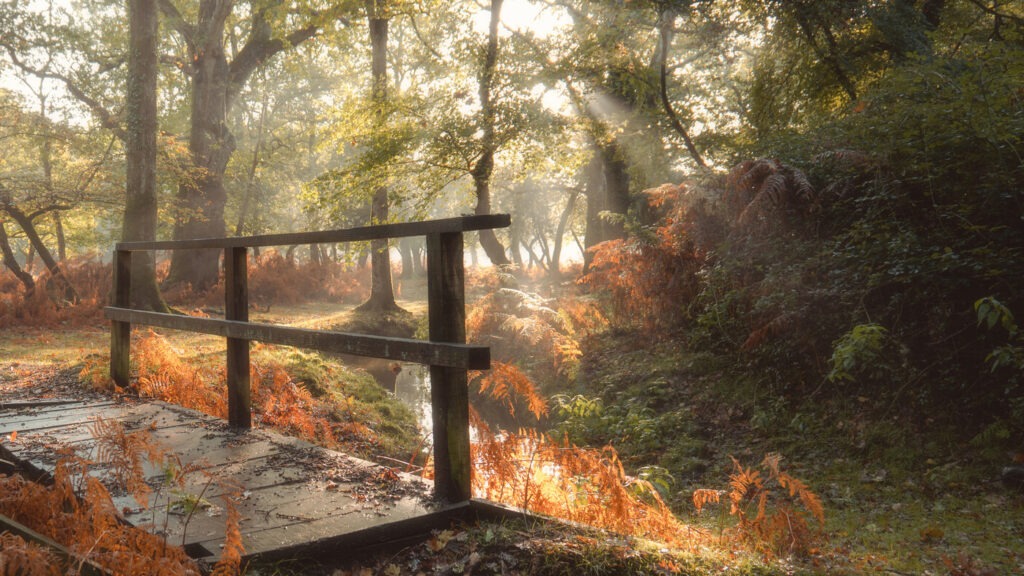
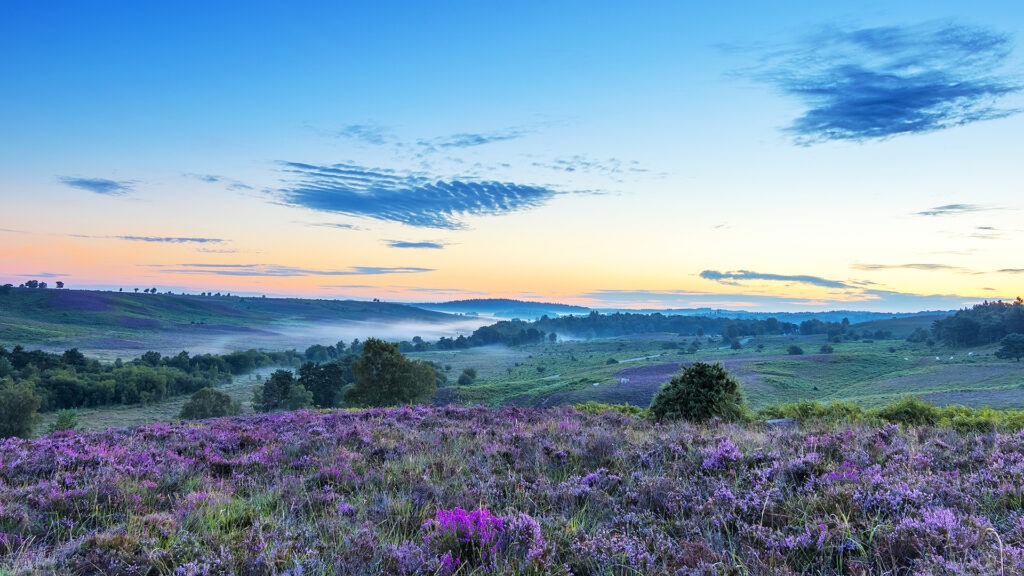
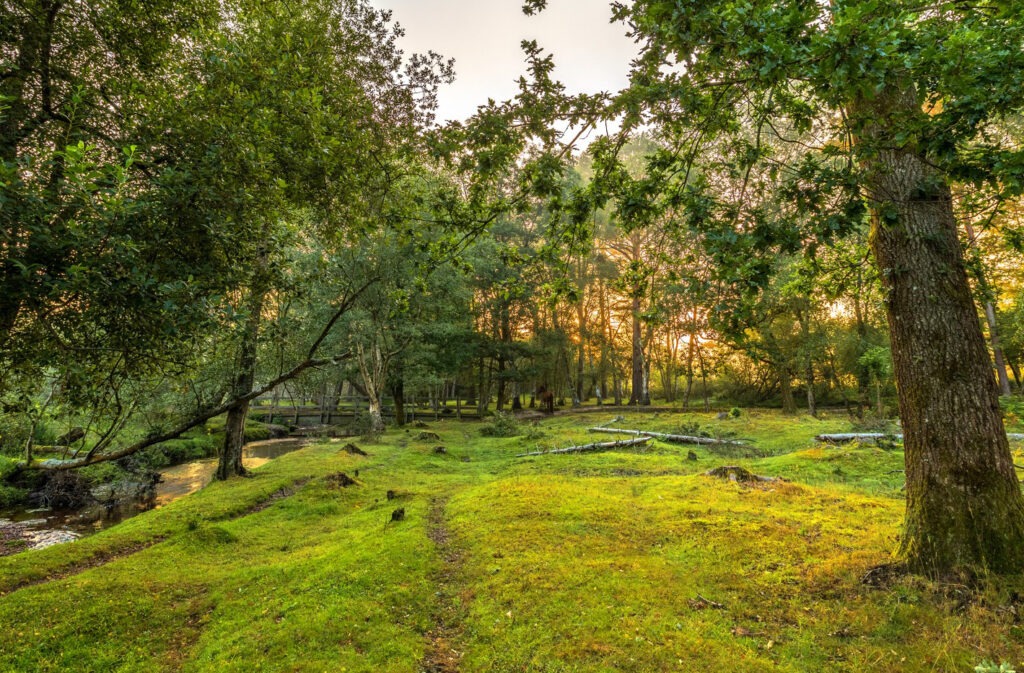
The special qualities of the New Forest are those qualities that define it, make it unique and immediately recognisable and, when taken together, distinguish it from all other parts of the country. These qualities are fundamental to the two national park purposes and are the underlying reason for its designation. Learn more about the National Park’s special qualities.
In 2019 the UK became the first national government to declare an environment and climate emergency. That decision marked a renewed sense of urgency in tackling climate change with the Government legally committed to achieving net zero emissions by 2050. The Government has recognised the key role of protected landscapes in addressing the climate and nature emergency.
In the New Forest National Park, we are already seeing wetter winters, hotter, drier summers, rising sea levels, an increasing frequency of extreme weather events and longer periods of higher fire risk. Combined, these factors have far reaching implications for our biodiversity, our communities, land managers and local businesses.
More than two-fifths of UK species including animals, birds and butterflies have seen significant declines in recent decades. The State of Nature report (2019), which draws on scientific monitoring since the 1970s, showed that there has been no let-up in net losses for the UK’s wildlife. More intensive agriculture is still driving declines in farmland nature, while climate change is also having an increasing effect, with average UK temperatures rising by 1C since the 1980s. The state of wildlife in the New Forest remains a major concern, with just over 50% of our Sites of Special Scientific Interest (SSSIs) judged to be in ‘favourable condition’.
53.22%
of Sites of Special Scientific Interest (SSSIs) in favourable condition
50%
decline in ground nesting birds
33%
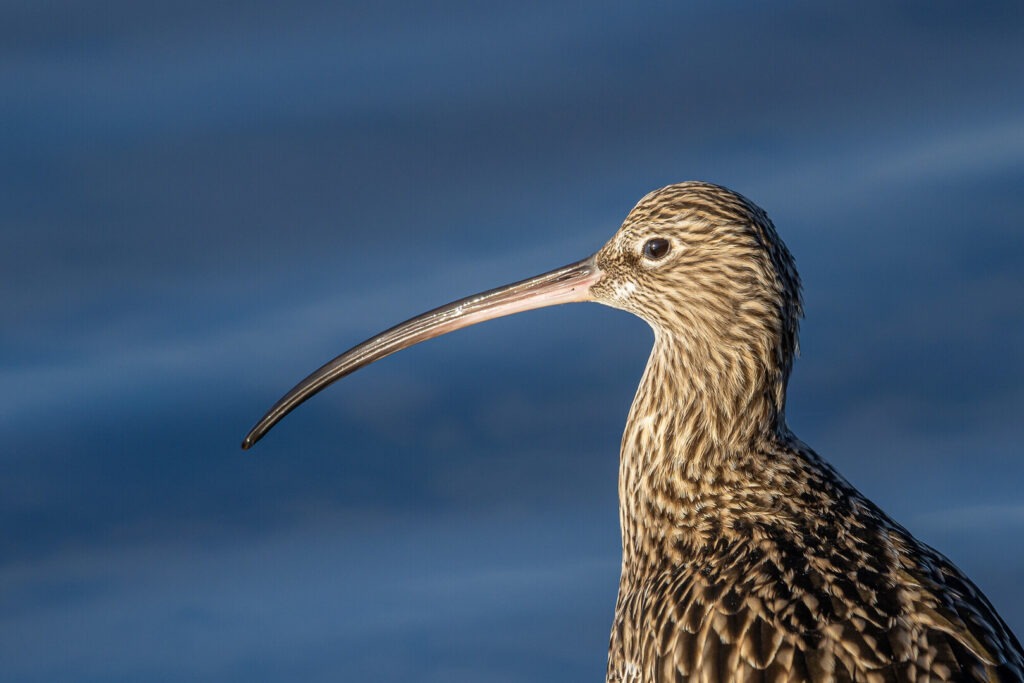
decline in breeding waders
44ha
of grassland and heathland has been restored
12.5km
of wetland sites (channels and drains) restored
90%
of respondents to a recent local public survey (2021) want to see the environmental improvements seen during the pandemic continue.
A challenging issue for nature conservation and recovery in the New Forest is how to respond to increasing demand for access without compromising the integrity of protected wildlife sites.
Before the pandemic, it was estimated that there were over 15 million day-visits for leisure and recreation each year to the National Park. 75% of these visits arose from just 300,000 relatively local people travelling from home on a regular, often daily basis. The remainder of the visits were by just over one million people who were on holiday. These large numbers and the fact that well over 50% of the National Park is designated for its rich wildlife create a unique management challenge.
In 2019, an extensive consultation known as ‘Future Forest’ debated and sought views on recreation in the New Forest National Park and surrounding area. Through this work partners have already agreed a comprehensive series of actions to manage recreation across the New Forest and beyond. Several of the most fundamental actions have been incorporated into this Partnership Plan.
In addition, several local planning authorities in and around the New Forest have adopted planning policies and associated mitigation schemes in place to ensure the recreational impacts arising from new development do not impact on the integrity of the New Forest’s internationally protected habitats.
Linked to this, one of the Partnership Plan actions is to move towards a more coordinated, strategic approach to mitigate the recreational impacts of the significant levels of new housing proposed in the areas surrounding the National Park. Up and until now, this has largely happened independently in local authorities around the New Forest, but the benefits of a more coordinated, strategic approach are recognised.
For the foreseeable future, there is likely to be an increased demand for ‘staycation’ holidays and further recreational demands placed on the National Park. A joint ‘care for the Forest, care for each other’ action plan was put in place for 2021 (and will be repeated in 2022) but we recognise that we need to take forward the longer-term actions that have already been agreed to manage these increasing recreational pressures. This is likely to entail a fundamental review of an increasingly outdated and fragmented infrastructure that includes campsites, car parks and the waymarked off road cycle routes.
There is also a need to secure opportunities for significant new nature-rich green spaces for recreation close to where people live, to both take pressure away from the protected habitats of the New Forest and to create healthy communities for the future, such as exploring the feasibility of a new country park to benefit the growing resident populations on the Waterside.
11%
increase in recreational access to protected site from new housing within a 25km radius of the New Forest’s internationally designated nature conservation sites
130,000
new dwellings/16.4% increase in housing within 25km of the New Forest Special Area of Conservation (SAC), Special Protection Area (SPA) and Ramsar sites by 2036.
Transport is absolutely fundamental to the sustainable future of the New Forest – how we move affects how we live, work and interact; how we experience places; how our businesses operate; and our health and wellbeing.
The New Forest is one of the most visited national parks in England and traffic within the National Park is a major issue for many residents and visitors.
The New Forest also has some of the highest car ownership in the country and the vast majority of visitors travel to the area by car. With a limited range of alternative transport options, an ageing population and lack of connectivity, the opportunities for active travel for some journey types are more limited. There is evidence to show that whilst there was a reduction in traffic in Hampshire during the pandemic lockdowns, traffic levels quickly bounced back to more typical ‘pre-Covid’ levels.
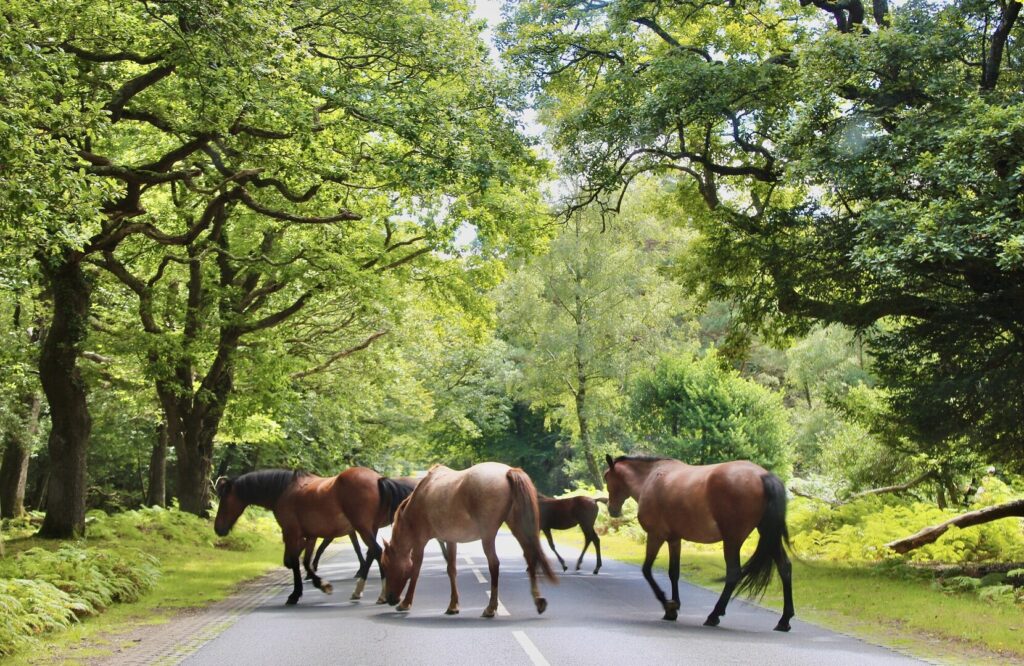
High levels of car dependency can affect the quality of life of local communities, the quiet enjoyment of the National Park, the welfare of livestock and the integrity of the Forest’s landscape and habitats. It is also a significant local contributor to climate change and air quality, with roads and road transport generating the highest emissions in the National Park. Other matters of concern include the volume of traffic generally, verge parking, animal accidents, maintenance of minor roads, congestion in the larger villages (particularly Lyndhurst), failure to observe speed limits, lack of sustainable transport alternatives and commercial lorries’/vans’ use of minor Forest roads. Reducing CO2 emissions from transport is a major priority.
The Government’s Decarbonising Transport Strategy (2021) sets out the commitments to fully decarbonise transport by 2050, including greater promotion of cycling and walking. Both Hampshire County Council and Wiltshire Council are preparing new Local Transport Plans with a focus on sustainable transport and reducing dependency on the private car.
522kt
Total carbon footprint in the National Park.
47%
percentage of carbon emissions coming from road transport
44
Commoners’ animals killed on the roads in 2021
7%
of visitors travelling to the New Forest car free
100km
of off-road cycle paths, although not always well connected to enable round trips/active travel between destinations.
The New Forest is celebrated as a living, working landscape where sustainable farming and land management systems deliver many benefits to society – increasingly known as ‘public goods’. The unique and ancient system of common grazing is a critical component of ensuring the Forest survives as an extensive, intact cultural landscape.
This new Plan coincides with the start of a period of ‘agricultural transition’ following the UK’s departure from the EU. Funds will be diverted from Direct Payments to farmers into a new Environmental Land Management Scheme (ELMS) from 2024. This will replace the Higher Level Stewardship scheme that over 12 years has provided more than £22 million to help restore and enhance the internationally-important habitats of the New Forest. Partners on this scheme are now working together to understand what is needed to deliver public goods into the future. From 2021-24, a Farming in Protected Landscapes programme will support farmers and land managers in the National Park to deliver environmental outcomes and contribute to Government priorities for nature, climate, people and place.
22,919
hectares of landcover within the National Park classified as high importance for pollinating insects
20
new commoners’ dwellings built since 1992.
The provision of affordable housing in the New Forest is consistently raised as one of the biggest challenges facing local communities in the National Park. The affordability of housing is a major barrier to sustainable communities in the New Forest, where the average house price is around 15 times average earnings – making the New Forest the least affordable national park in the UK.
The high proportion of larger properties, and the associated high price of housing, make it particularly hard for young people and young families to secure low-cost housing that would enable them to continue living in the area.
There is some early evidence to suggest that the pandemic has accelerated people moving from high density urban areas to the countryside, which together with more people choosing to work from home, is likely to increase pricing pressures on the National Park’s limited housing stock.
£643,371
average house price in the national park, making us the most expensive national park in England.
15x
the house price in the park are 15x the average wage of people living in the National Park
200
eligible applicants on New Forest District Council’s housing register waiting for affordable housing opportunities in the National Park
51
new affordable homes have been completed in the National Park since 2006.
The English national parks were created in part to provide a healing space, both mentally and physically, in the aftermath of the Second World War. The pandemic has similarly raised many fundamental questions about the way we can sustain healthy lives in harmony with our environment.
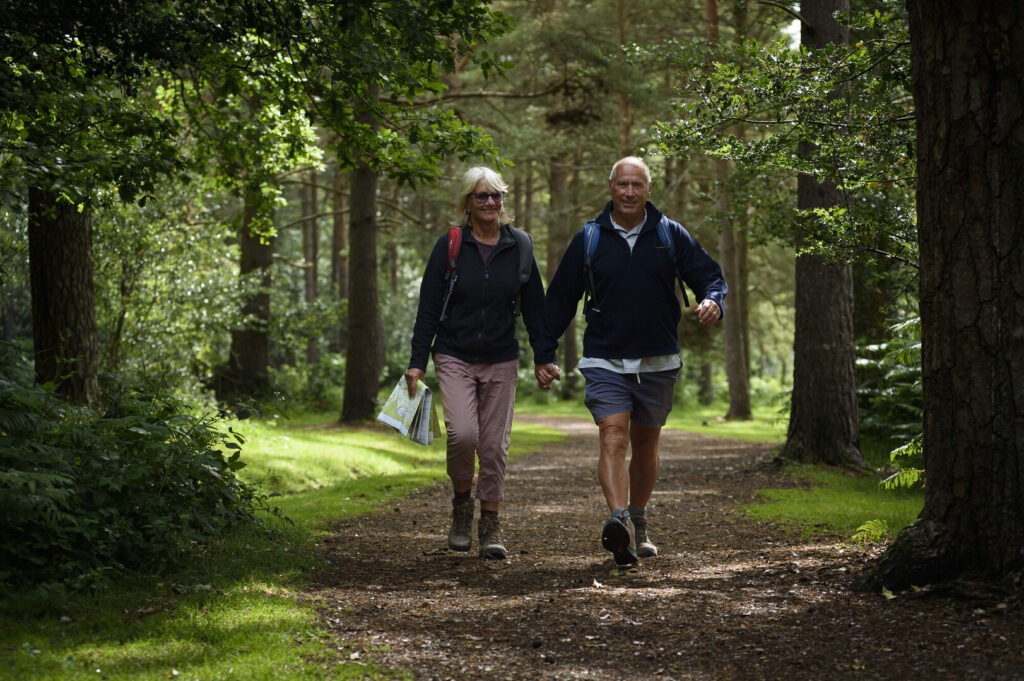
There is a greater appreciation of our natural environment and the benefits of having accessible green space on our doorstep. Just as in the 1940s, national parks are well placed to be inclusive and accessible places that support the nation’s health and wellbeing and to lead the way on sustainable tourism and opportunities for people to volunteer and engage in community projects for the benefit of all.
Government is responding to calls for these opportunities to be improved and more open to all by supporting a renewed focus in protected landscapes to reach and welcome people and remove barriers to access to national parks for all parts of society.
89%
of those living in the 10% least deprived areas had visited in the previous year
58%
of those in the 10% most deprived areas had visited in the previous year
There is a huge and diverse range of organisations, charities, groups and fora working in and for the New Forest, with healthy levels of public engagement and participation. There are some excellent examples of partnership working but equally there are many areas where organisations and communities could work better together and pool resources to achieve more and in doing so strengthen understanding of the New Forest beyond our boundaries, presenting a more unified, powerful voice to national and regional policy and decision makers.
At the time of writing, the Government is consulting on how partner organisations can work together more effectively in protected landscapes. It is also widely recognised that strengthened management plans would secure greater ambition for our special landscapes and to better reflect all parts of society.
This Plan takes account of the proposed direction in the Government consultation and is written in anticipation of a strengthened role for management plans and requirement for public bodies to work more collaboratively going forward.
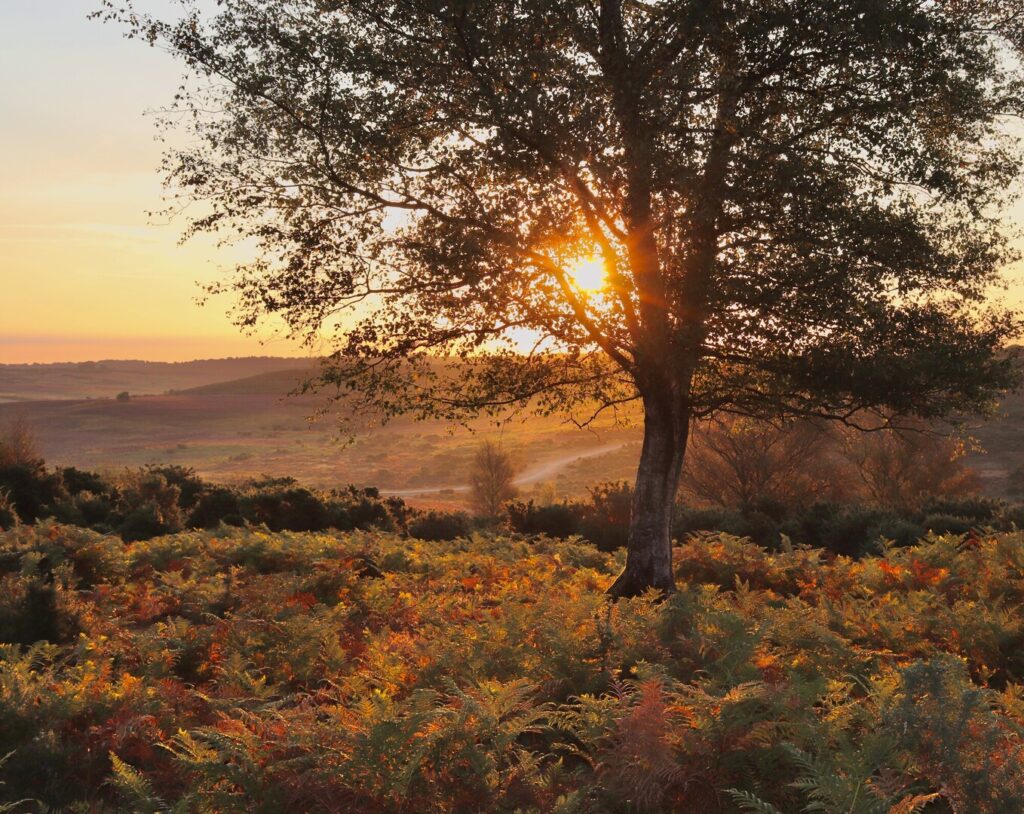
Net Zero with Nature Outcome: A net zero carbon emissions target is achieved by 2050, through significant cuts in land-based emissions and the conservation and restoration of natural ecosystems, to both reduce emissions production and remove emissions from the atmosphere.
Climate change, along with biodiversity loss, is the greatest long-term challenge of the present day. The impact of climate change on the New Forest is likely to be wide reaching, with warmer, wetter winters, hotter, drier summers, rising sea levels and an increasing frequency of extreme weather events, the effects of which are already being seen. The overriding challenge for the Partnership Plan is to make a significant contribution to both mitigating and facilitating the adaptation of people and wildlife to a warming world.
The National Park Authority declared a climate and nature emergency in January 2020, with a commitment to reduce its own greenhouse gas emissions to net zero by 2030. Many of the partner organisations have made similar declarations and we all recognise that progress can only be made through collaborative working and a collective ambition to achieve net zero with nature.
The natural environment is the most important and effective solution we have for capturing and sequestering carbon long-term. As a partnership we will work to safeguard the New Forest landscape, restore habitats to sequester carbon and combat biodiversity loss as well as support behaviour changes to ensure the National Park continues to be a treasured landscape for the nation.
1.1.1 Working collectively to both identify relevant emissions and the pace at which they need to be reduced to meet net zero by 2050
1.1.2. Researching and monitoring likely impacts of climate change and how that affects the National Park’s ability to maintain its carbon stores and continue to sequester carbon
1.1.3. Developing research agendas and links with national level research bodies
1.1.4. Mapping both existing carbon storage and sequestration (carbon removal from atmosphere) rates across the National Park, as well as the potential increase in carbon sequestration the Park could support.
1.2.1. Identifying the range of nature-based climate solutions in the National Park and working collectively to agree actions to implement these, e.g. the most appropriate type of habitat restoration, preferred areas for tree and hedgerow planting, woodland creation including natural woodland regeneration (‘the right tree in the right place’)
1.2.2. Providing advice on low carbon and nature-friendly practices and engaging farmers / landowners in the uptake of agricultural practices that both reduce carbon emissions and increase carbon sequestration (carbon removal from atmosphere where it causes climate change)
1.2.3. Training advisors on low carbon and nature-friendly farming practices
1.2.4. Taking action to protect our existing carbon stores by building resilience into our ecosystems e.g. maintaining genetic diversity within our woodlands to combat pests and diseases that threaten tree survival
1.2.5. Exploring the potential for both public funding and private finance to fund nature restoration at the scale required to tackle the climate crisis.
1.3.1. Creating forums for working collectively to reduce carbon emissions across all sectors
1.3.2. Carefully integrating infrastructure projects with the wider natural environment
1.3.3. Promoting measures to reduce demand, increase energy efficiency and use energy from renewable energy sources
1.3.4. Promoting investment opportunities to fund nature recovery that increases carbon sequestration and protects our existing carbon stores.
1.4.1. Supporting our communities to take action by encouraging low carbon living and sustainable purchasing
1.4.2. Encouraging visitors to adopt low carbon forms of travel to access the Park
1.4.3. Enlisting more volunteers and support for the New Forest Ambassadors’ Scheme.
1.5.1. Producing and delivering an agreed New Forest Local Cycling and Walking Infrastructure Plan (LCWIP)
1.5.2. Campaigning for lower speed limits across the Forest where appropriate and evidenced, to secure quieter, slower and reduced traffic impacts
1.5.3. Developing a more coordinated and integrated approach to sustainable transport through the relevant Local Transport Plans and by developing a New Forest Transport Strategy
1.5.4. Supporting bids for schemes that enable us to decarbonise the transport system.
Nature Recovery Outcome: Habitats are more resilient, restored, expanded, connected and maintained to enable wildlife to thrive, both within and beyond the National Park.
The New Forest National Park is one of the most valuable areas for wildlife in Europe and has the highest proportion of designated nature conservation sites of any national park in the country (56% of the National Park is a Special Area of Conservation, Special Protection Area or Ramsar Site and a further 5% is non-statutory sites (SINCs)).
Even though they remain important we can no longer simply protect nature from harm through special sites and reserves. The unique mosaic of heathland, mires, grassland, woodlands rivers and ponds of the Open Forest; the fields, hedges and woodlands of the forest fringe; the species-rich floodplains of the Avon Valley; and the grazing marshes and saline lagoons of the coastal plain – all are under threat from a variety of factors including climate change, recreation pressure, new diseases and invasive species.
The condition of the New Forest Sites of Special Scientific Interest (SSSIs) has shown a slight increase in recent years as a result of large-scale habitat restoration work under the New Forest Higher Level Stewardship scheme, with 53% in favourable condition (2022). There is no comprehensive assessment of the condition of non-statutory wildlife sites.
Urgent action is needed to ensure our habitats are more resilient, better managed, bigger and more joined up. Ecosystems need to be restored and wildlife needs to be able to move through the landscape freely if it is to adapt to change, which means looking beyond the Open Forest and working across the wider countryside.
The New Forest is well placed to drive a nature recovery network locally, in particular through increased connectivity within and beyond the boundaries of the National Park. Nature cannot recover if it is restricted to isolated pockets and therefore we need to ensure the nature recovery network is joined up across a landscape scale.
Nature Recovery is a major commitment in the Government’s 25 Year Environment Plan and the Government is putting National Parks at the heart of driving forward and delivering nature recovery and building our resilience to climate change. The Government has also committed to protect 30% of land in the UK by 2030 to support nature recovery. By bringing together partners, legislation and funding, we can make an important contribution to this target and provide nature-based solutions that will restore ecosystems, habitats and prioritise key species for recovery and reintroduction.
2.1.1. Restoration and expansion of the Open Forest heath, mire and pasture woodland habitats; inclosures suitable for restoration and sites that share a common boundary with the Open Forest
2.1.2. Enhancing grassland and open habitats, rejuvenating hedgerows, woodland and arable habitats of the forest fringe
2.1.3. A programme of river, wetland restoration and pond creation
2.1.4. Opportunities for coastal realignment and saltmarsh restoration
2.1.5. Opportunities to reduce flood risk by working with natural processes within catchments
2.1.6. A programme of halting and reversing the decline of priority species, supporting species recovery, reintroduction of native species where appropriate and control of invasive species.
2.2.1. Valuing and accounting for the public goods provided by the New Forest
2.2.2. Providing accessible nature-rich green space near to where people live
2.2.3. Incorporating natural capital in our policies and programmes
2.2.4. Generating opportunities for increased investment in ecosystem services
2.2.5. Coordinating research to better understand the role of peat and other carbon stores in the New Forest.
2.3.1. Working with and through the ‘Forest Farming Group’ to develop a common approach to land management which delivers on the 25 Year Environment Plan’s ambition of ‘public money for public goods’
2.3.2. Taking a collaborative approach with private landowners, farmers, land managers and conservation charities
2.3.3. Continuing to provide advice to landowners, farmers and commoners
2.3.4. Providing support for ELMS Test and Trial projects and farm cluster groups across the National Park.
2.4.1. Having clear and up-to-date planning policies and new supplementary planning guidance that maximise this Biodiversity Net Gain (BNG) through new development
2.4.2. Adopting a Design Code for new buildings
2.4.3. Developing a better understanding of the impact of development and activities on dark night skies and taking opportunities to mitigate those impacts.
2.5.1. Developing a spatial plan for where recreation should be accommodated in the New Forest and surrounding areas
2.5.2. Agreeing a strategy to facilitate changes to the location and capacity of car parking on the Open Forest and adjacent commons
2.5.3. Developing a strategic approach to mitigate the potential impacts associated with increasing recreational pressures arising from planned new housing and visitor accommodation on the internationally designated habitats
2.5.4. Increasing the level of funding available for recreation management so that it is sufficient to address both existing and future needs
2.5.5. Using appropriate and proportionate enforcement strategies to deter illegal use of the Forest.
An Inclusive National Park Outcome: People within reach of the New Forest, of all backgrounds, abilities and socio-economic groups, value the National Park as an important part of their lives and seek to care for it.
People need nature and culture for their physical, mental and spiritual health. The future of the New Forest depends on future generations understanding and valuing this internationally-important landscape – and helping to care for it. Education officers across Forest organisations teach 10,000 children and young people a year with sessions tailored to learning about the New Forest and rangers work with thousands more through their family-focussed events and activities. Many more are engaged through the media, print and online platforms.
We want to encourage greater understanding and appreciation of the National Park, whilst ensuring minimum impact, and support the social and economic benefits that visitors bring in a sustainable way.
We also want to specifically help people who face barriers or particular challenges to access so that they can benefit equally from engagement with the National Park. Effective engagement, interpretation and communication programmes with new and existing partners will be required to ensure we are a National Park for all.
3.1.1. Building a strong, mutually beneficial partnership between the health and environment sectors, including a five-year programme of ‘Health Education Fellowships’ and facilitating effective local networks
3.1.2. Addressing health inequalities locally and regionally through improved green space, targeted interventions and nature-based referrals
3.1.3. Increasing uptake of walking for health, inclusive cycling for health and volunteering for health programmes.
3.2.1. Removing barriers to participation and access – physical and perceived, e.g. affordable public transport
3.2.2. Recruiting more rangers, part of whose role is to help people understand and enjoy the New Forest, including apprentice rangers
3.2.3. Using data and evidence to create a more accurate picture of the current and possible users of the New Forest National Park and barriers to participation
3.2.4. Developing comprehensive and inclusive programmes of health and youth engagement and outreach to build relationships with diverse communities and audiences, including a Youth Action Project and bespoke education activity.
3.3.1. Assisting communities and local organisations to lead and shape cultural and natural heritage projects that foster identity and a sense of place
3.3.2. Bringing together cultural heritage and archaeological datasets, identifying gaps and surveying identified areas to achieve a complete picture for future management
3.3.3. Interpreting and disseminating landscape, cultural and natural heritage through specific outreach such as the New Forest Knowledge website.
Thriving Forest Outcome: A living, working Forest is sustained through support for cultural heritage, commoning, local produce, sustainable tourism, access to affordable homes and helping to attract high-value businesses and employees.
The New Forest is a living working landscape. It is one of the few remaining extensive systems of common rights operating in lowland Europe. Maintaining a high-quality natural environment can also contribute substantial economic benefits by supporting sustainable tourism and helping to attract high-value businesses and employees. Local produce and local businesses are vital to the health and well being of our rural environment and local economy.
National policy also recognises the need for small-scale, sustainably located development within national parks to support the socio-economic well-being of our communities. We need to support community and economic recovery from Covid-19 and address societal issues such as the high cost of housing and an ageing population.
4.1.1. Establishing a centre of excellence for green skills and jobs and invest in natural capital skills hub
4.1.2. Developing a strategy and opportunities for young people through education and training
4.1.3. Designing an apprenticeship programme building on the ‘Our Past, Our Future’ (OPOF) ranger scheme
4.1.4. Creating a green recovery/investment fund
4.2.1. Developing new business models with landowners to support the delivery of public goods
4.2.2. Maintaining and enhancing public goods through commoning and farming
4.2.3. Facilitating the Forest Farming Group
4.3.1. Securing the future of commoning
4.3.2. Collaborating at landscape scale with commons groups (Foundation for Common Land)
4.4.1 Encouraging green investment by businesses
4.4.2 Supporting local produce through the New Forest Marque
4.5.1. Providing more affordable housing for local communities and retaining the existing stock of affordable and occupancy restricted housing
4.5.2. Facilitating site finding, community involvement and application process through the ‘rural exception route’
4.5.3. Better monitoring and reporting of availability of restricted housing stock (conditions/leases/tenancy agreements)
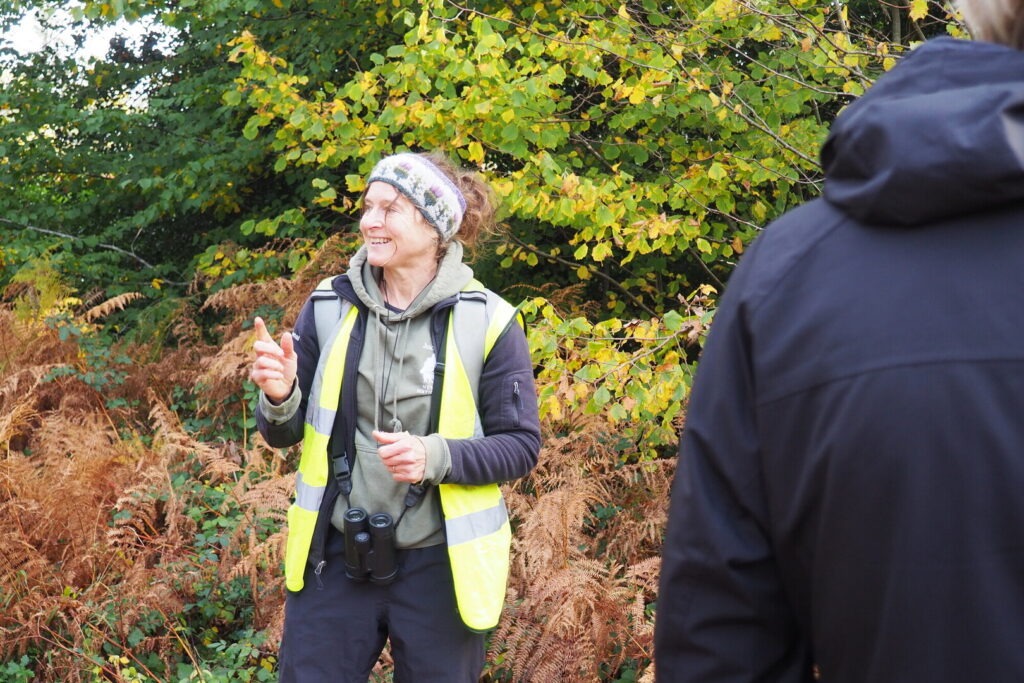
Team New Forest Outcome: Communities, businesses and organisations work together as a team to deliver the vision of the Partnership Plan, sharing knowledge, ideas and resources to deliver the best for the Forest.
The long-term survival of the New Forest is just as dependent on what happens around the boundary, regionally and nationally as within. We need to consolidate our networks and influence, nurture a culture of collaboration and enable delivery of policies and a package of measures to ensure the National Park landscape, economy and communities thrive. We need to be better than the sum of our parts to meet the challenges ahead and to ensure we are as efficient and effective a team for the New Forest as possible.
We want to harness the wealth of experience, skills and views in delivering this Partnership Plan. The Plan will be a living programme of work that will evolve over time, adapting and improving to new challenges and changing agendas. As well as building effective and impactful working arrangements to deliver, we also need to ensure that we hear and take account of all sections of our community and incorporate their ideas and innovations as we move forwards. Everyone stands to benefit when we embrace and value the diversity of thoughts, perspectives and ways of working that people from different backgrounds, experiences and identities bring to the National Park. Our work and our National Park will be richer and more impactful if we take account of and include the views, talents and skills of all sections of society.
We will ensure a range of interventions are in place to enable all sectors of our community to have their say, take part and influence action in the National Park.
Data, evidence and understanding of the context we work in must underpin and help guide the Partnership Plan and our work with different organisations and groups. It will also be needed to monitor and measure impact. We will establish a National Park insights capability with universities, businesses and other stakeholders to ensure that our decision-making is anchored in robust research, that our action is monitored and that we are able to capture regular insights into the views of the community and of relevant social, economic and policy context.
5.1.1. Growing understanding of each other and our audiences
5.1.2. Enabling enriching experiences for a diversity of people.
5.2.1. Increasing the breadth and depth of our engagement by helping recreational users to understand their impacts on the National Park and the changes residents could make to help contribute to nature’s recovery and tackle the climate emergency
5.2.2. Establishing a new Partnership Plan Leaders Panel
5.2.3. Advocating regionally, nationally and internationally; identifying key means by which we can realise the ambition of the Partnership Plan
5.2.4. Expanding and consolidating links from the New Forest to Dorset, Hampshire and Wiltshire
5.2.5. Activating and channelling people’s enthusiasm for caring for the New Forest and learning more about it (such as New Forest Ambassadors Scheme); harnessing and supporting existing movements within our communities.
5.3.1. Ensuring blue-green infrastructure is in place, connecting key network areas to help solve climate challenges by building with nature
5.3.2. Managing recreation across the area effectively, seeking new opportunities for sites where people and nature can benefit
5.3.3. Working with the national parks and wider protected landscapes to ensure they are recognised as central to providing nature-based solutions to the climate emergency and recovery of people.
5.3.4. Positioning the Green Halo Partnership to cement our role as thought leaders, influencing, developing and implementing policy in this area
5.3.5. Championing and helping to deliver the green recovery and the ‘Greenprint’ aspirations of the wider area
5.3.6. Working with Southampton City Council on developing its National Park City campaign
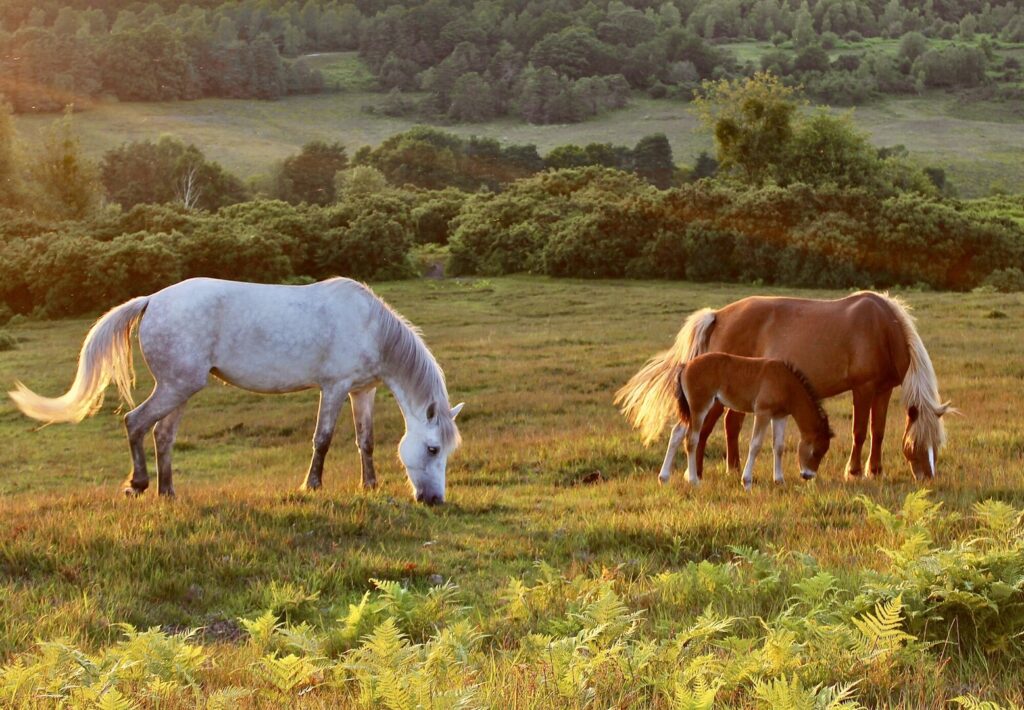
Keep your distance from the animals and don't feed or pet them - you may be fined.