5 February 2026
Sustainable Communities Fund
Aims of the fund
Improving opportunities for wildlife and habitats
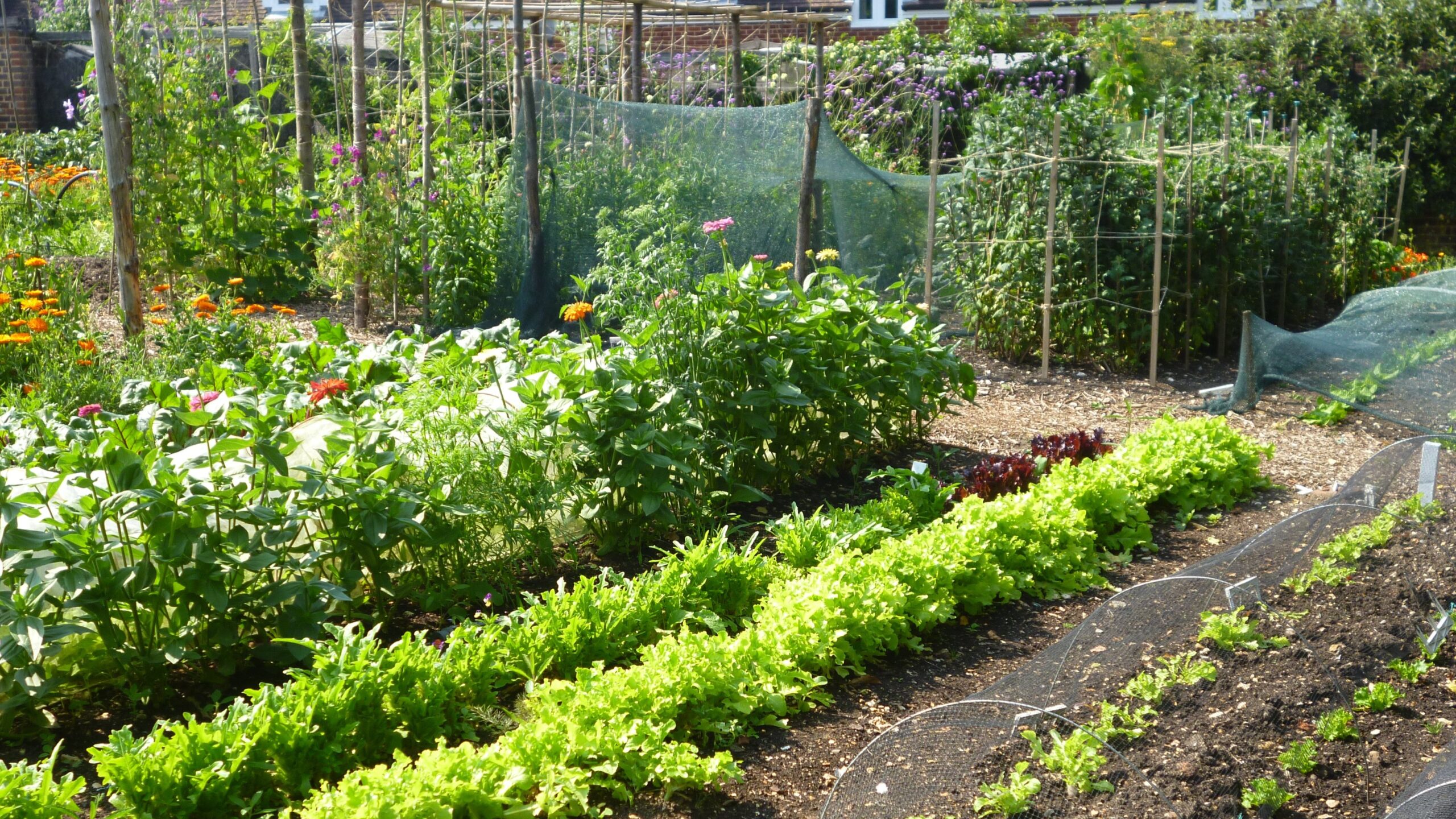
- Providing habitats such as creating new hedgerows, ponds, or community orchards
- Planting native species, wildflowers, and other pollinators to attract bees and butterflies.
- Introducing features such as bird and bat nesting/roosting opportunities, bug hotels, bee bricks, hedgehog homes
- Promoting dark night skies and ways to reduce artificial light at night (ALAN)
Reducing carbon emissions
- Encouraging more walking and cycling
- Installing and promoting clean energy
- Supporting locally produced food and goods
- Introducing climate-appropriate planting
- Promoting ways to reduce, reuse, and recycle.
- Taking litter home
Connecting people with the National Park
- Supporting cultural and natural heritage projects that foster identity and a sense of place.
- Developing ideas led by and/or engaging typically under-represented groups.
- Enabling audiences from different communities, ages, backgrounds, experiences, and identities, to experience the National Park.
Fund FAQs
Schools, youth groups, and other organised community groups and charities that are based within the New Forest National Park.
We have grants of up to £2,000. From time to time, we also have micro grants of up to £150 that can help support the small actions that really do make a difference.
Application are accepted any time until the annual budget is fully allocated.
Please allow four to six weeks for us to process your application and liaise with the funding panel for a decision on whether we can support your project.
Larger grants:
Our larger grants have supported the development of a community shop, energy improvements to community buildings, electric vehicle charge points, interpretation panels, and wild play zones.
Micro grants:
Our micro grants have helped to provide new native planting, bug hotels, hedgehog homes, nest boxes, bird feeders, pollinator trails, water recycling, and compost facilities.
We also supported a local volunteer group to survey and monitor slow worms within churchyards in the National Park.