Native species hedgerow planting guide
Native hedgerows: beauty and benefits
Hedgerows planted with native species offer a wide range of environmental, landscape, and community benefits.
English hedgerows are incredible for biodiversity. They provide:
-
Food and shelter for birds, insects, small mammals, and amphibians
-
Nesting sites for many farmland and garden birds
-
Corridors for wildlife, helping animals move safely between habitats
-
A rich mix of species that support hundreds of insects and pollinators
Getting started
This guidance offers a simple starting point when choosing native hedge species and suggested planting mixes. The exact species and proportions will vary depending on the purpose of your hedge.
Planting details
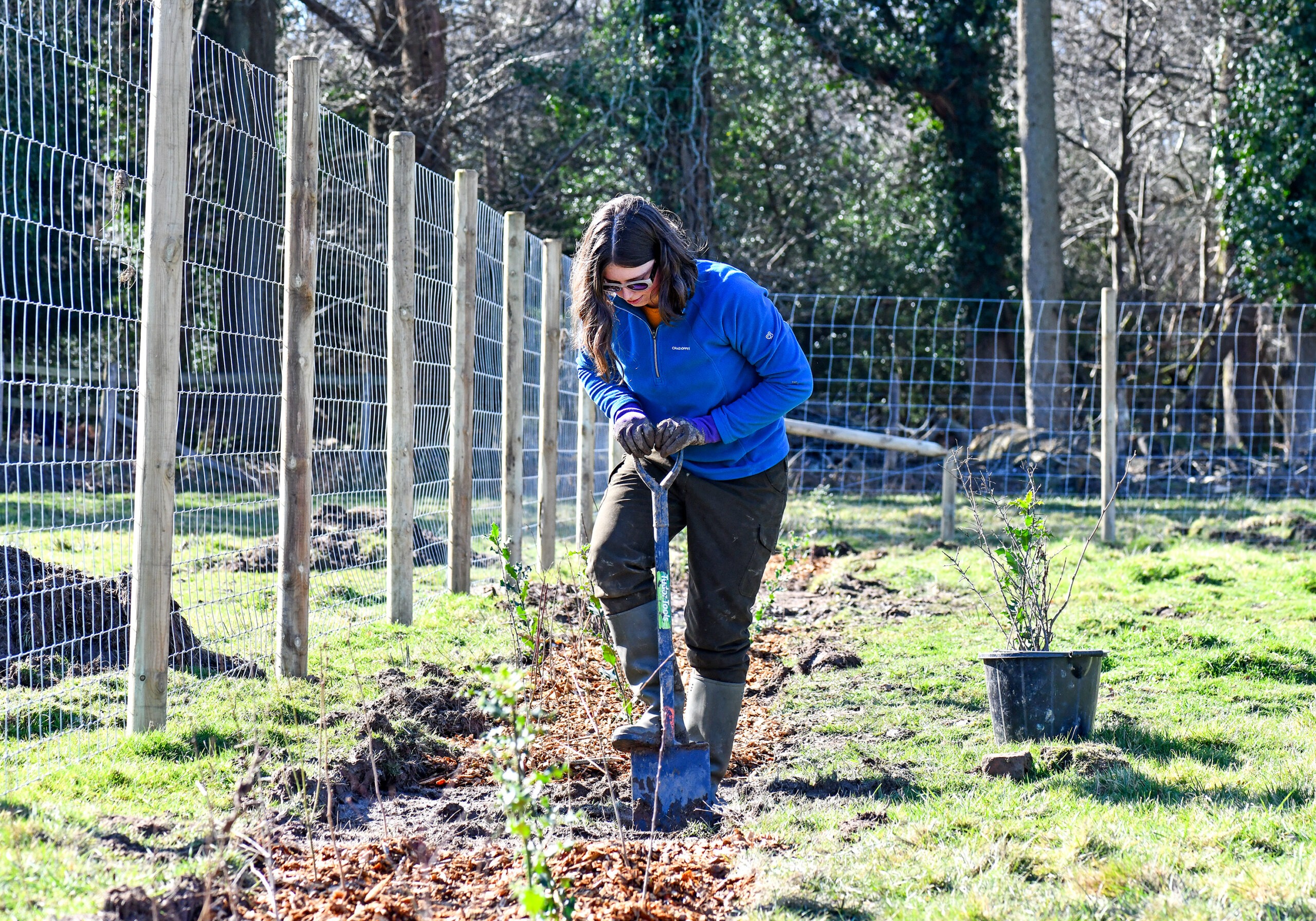
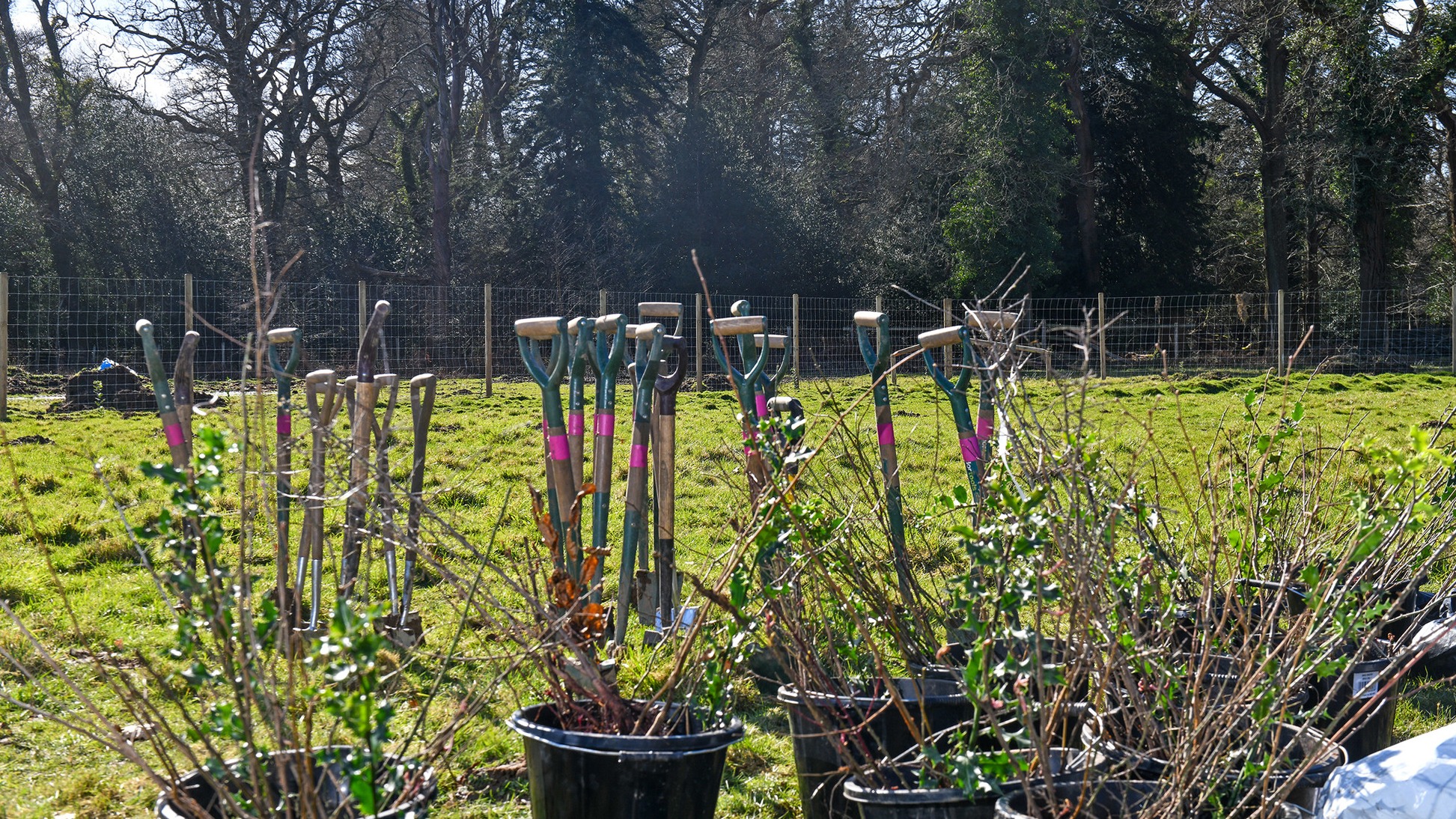
Plants should be approx. 60 to 90 cm tall and bare rooted, except holly which should be pot grown 35 to 45 cm tall.
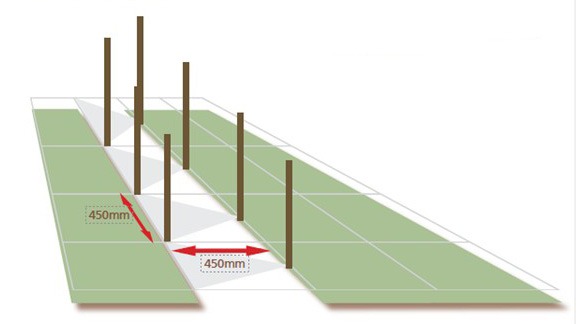
Plant as a double staggered row at 450 mm centres and between the rows as shown.
After care
To help your new hedge establish successfully, it’s important to give it the right care in the early years. Keep the area weed-free and make sure plants are well watered during the summer for at least the first three years after planting.
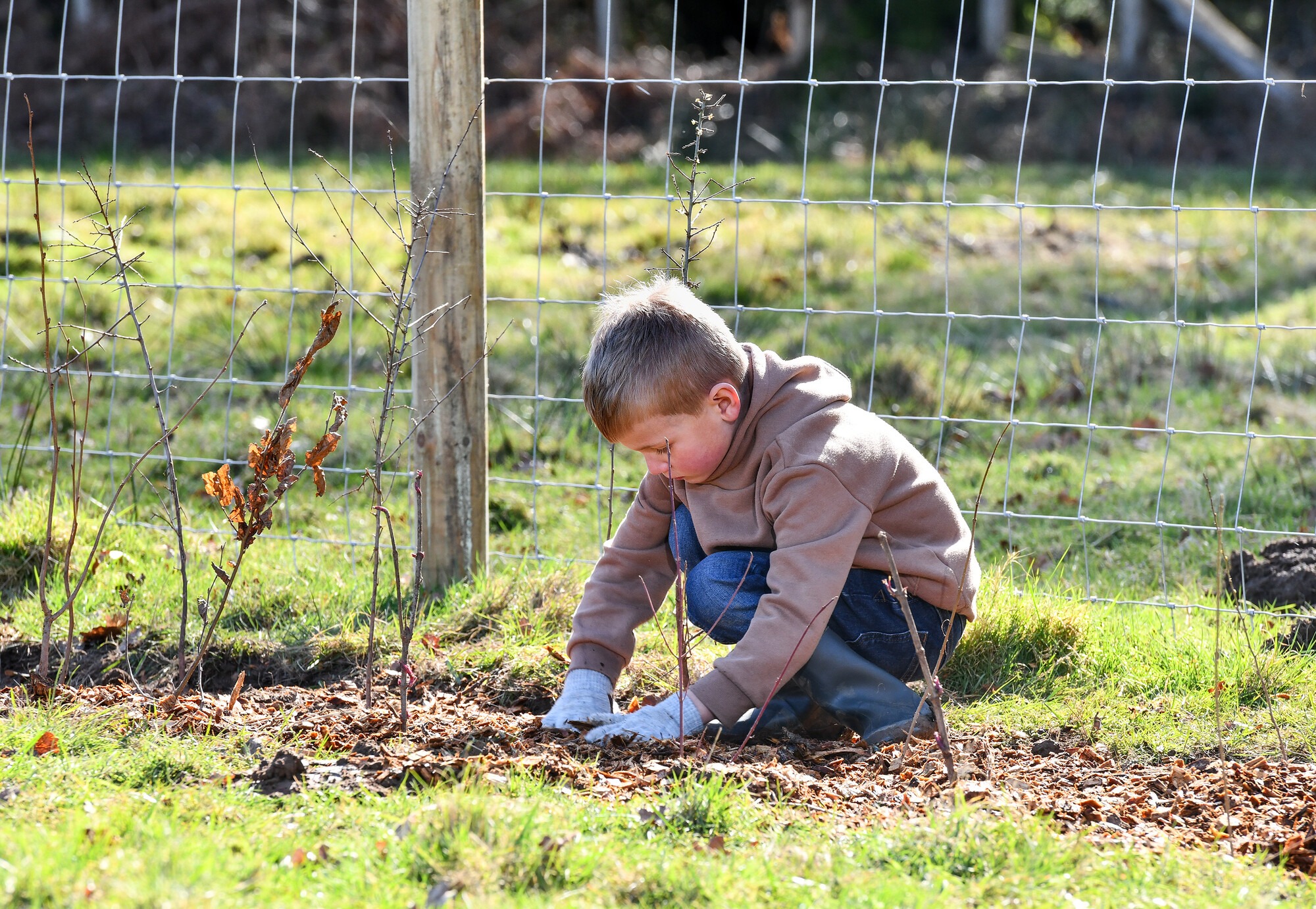
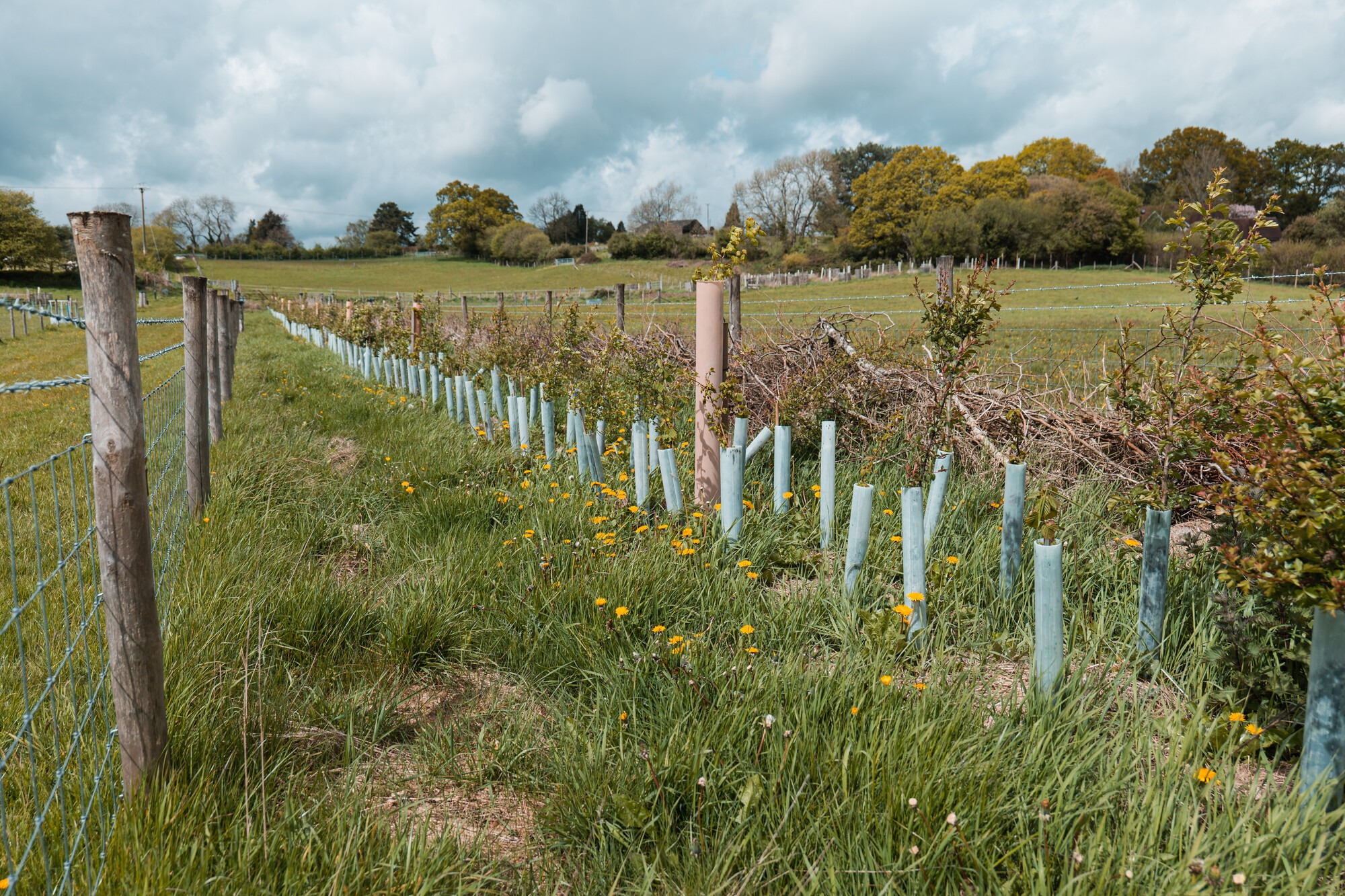
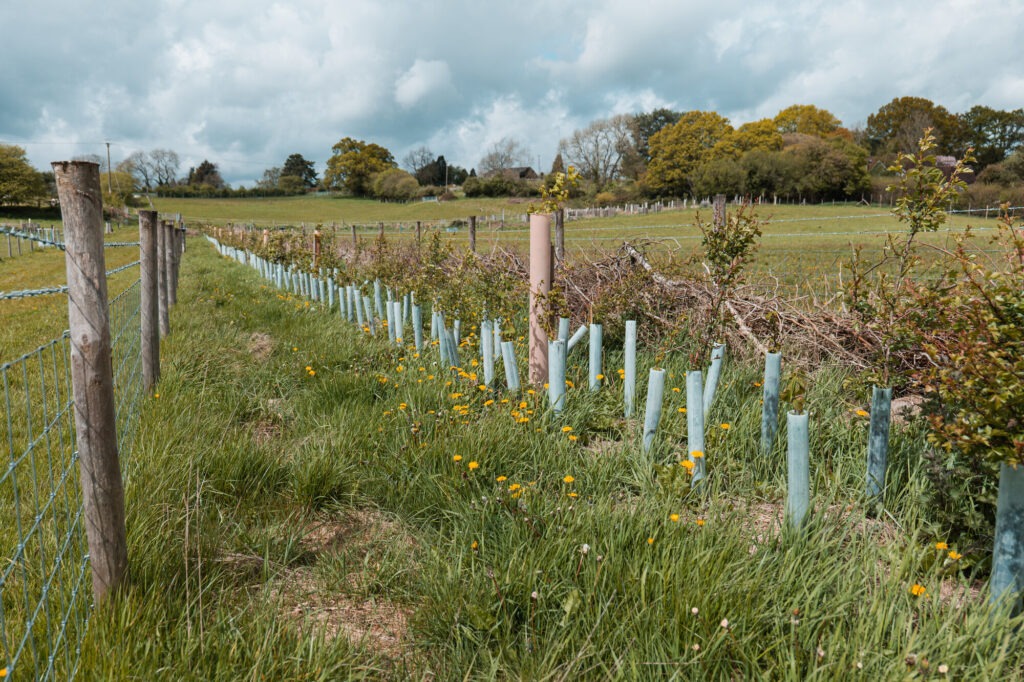
Use tree or grow tubes to protect young plants from rabbit damage, and consider adding a layer of organic mulch – such as chipped bark – to help retain moisture and support healthy growth.
If your new hedge is planted next to grazed land, make sure it is protected with suitable stock-proof fencing to prevent damage from livestock.
Planting a mixed hedge?
This table shows suggested percentages at a glance
| Common name | Botanical name | % of hedge species |
|---|---|---|
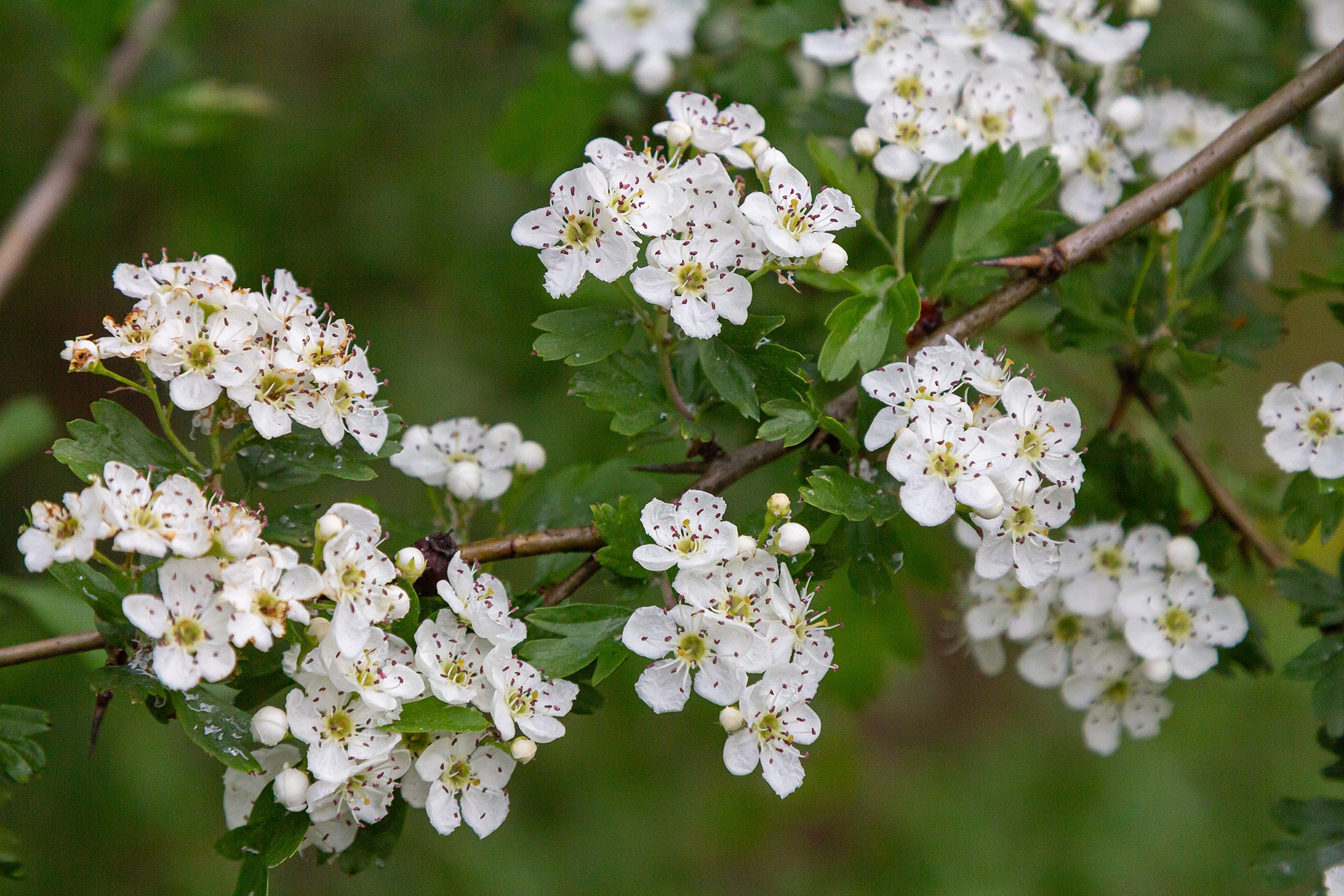
Hawthorn |
Crataegus monogyna |
40% |
Blackthorn |
Prunus spinosa |
15% |
Field maple |
Acer campestre |
15% |
Hazel |
Corylus avellana |
10% |
Holly |
Ilex aquifolium |
5% |
Guelder rose |
Viburnum opulus |
5% |
Dogwood |
Cornus sanguinea |
5% |
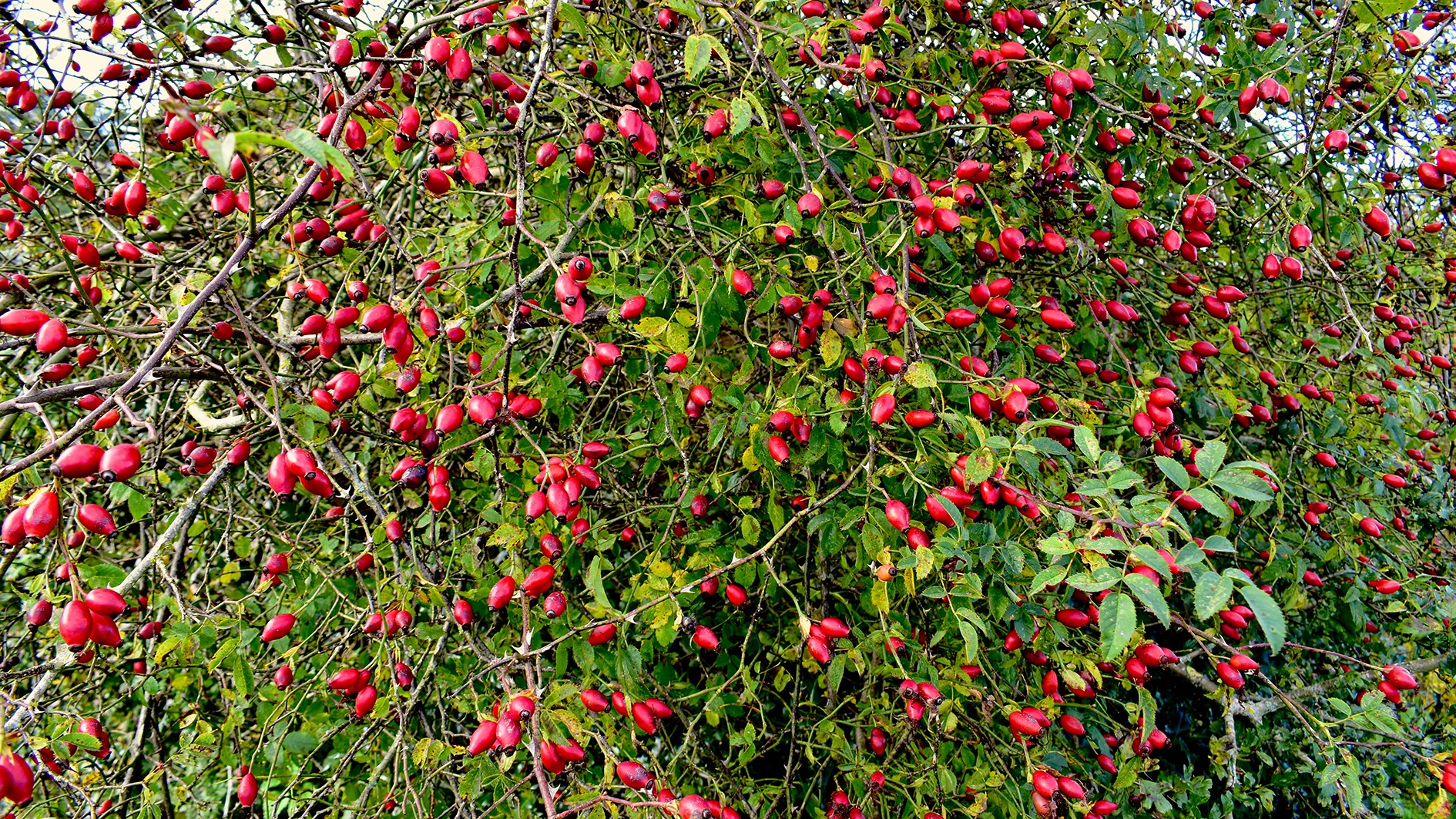
Dog rose |
Rosa canina |
5% |