Species Survival Fund project
About the Species Survival Fund project
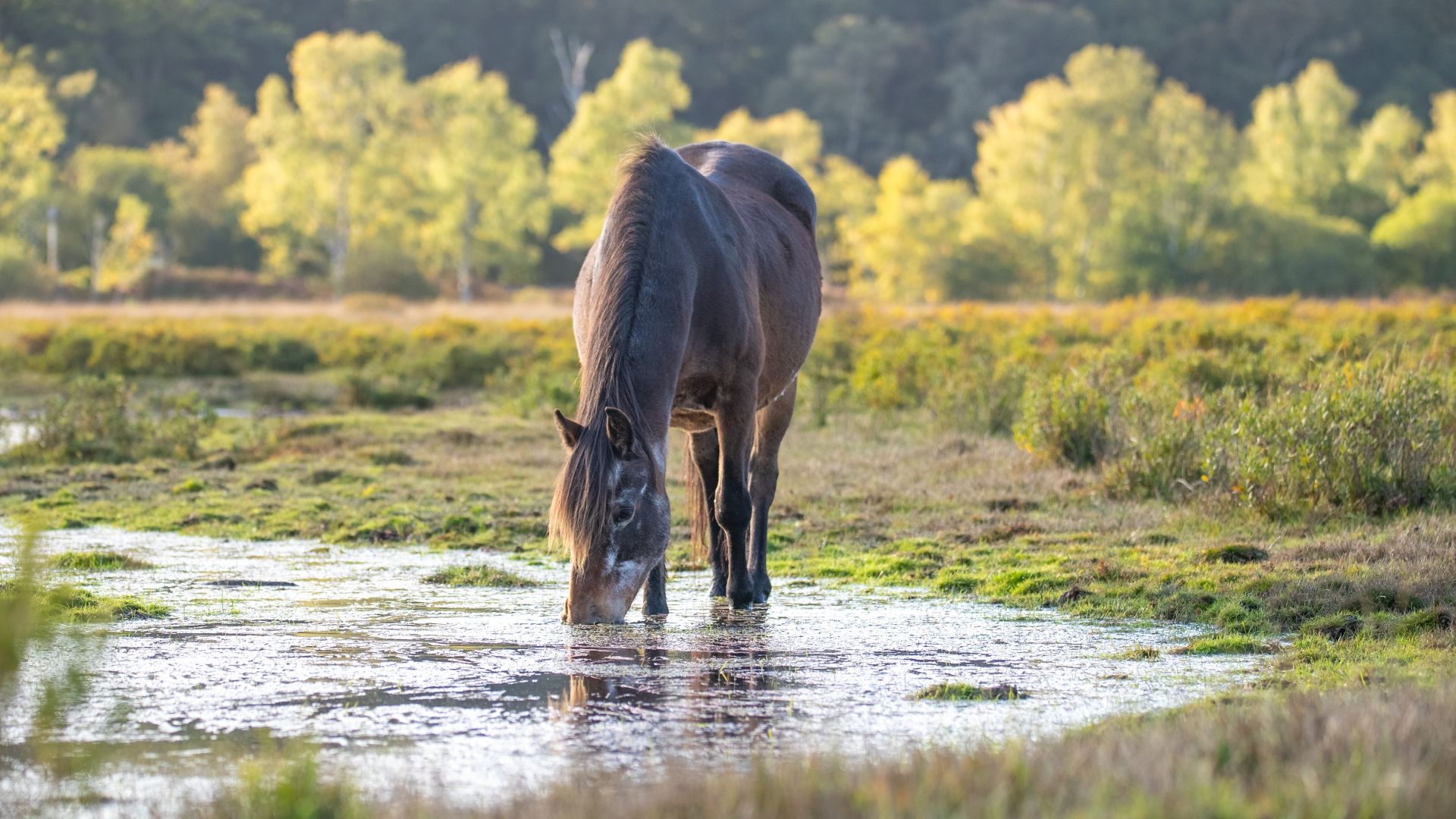
Focused on land near the boundary of the National Park, for the first time a range of experts joined together with landowners across 32 sites to improve areas for nature.
Woodland, boggy mires, heathland, meadow, wetlands and streams were improved to boost and strengthen habitats, while helping them become more resilient to pressures such as climate change.
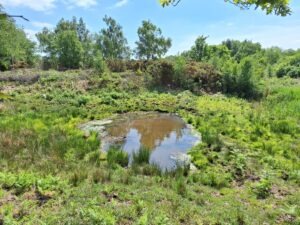
Experts created new meadows, wetlands and ponds, cleared invasive species and conducted wildlife surveys – among other actions – to assess the best way to allow as many species as possible to thrive.
The project saw how the sharing of expertise and knowledge could speed up decision-making and result in having a clear, direct and positive impact on nature in the New Forest.
Who was involved in the Species Survival Fund project?
The project was led by the New Forest National Park Authority with five partner organisations (see below), supported by the RSPB and the New Forest Biodiversity Forum.
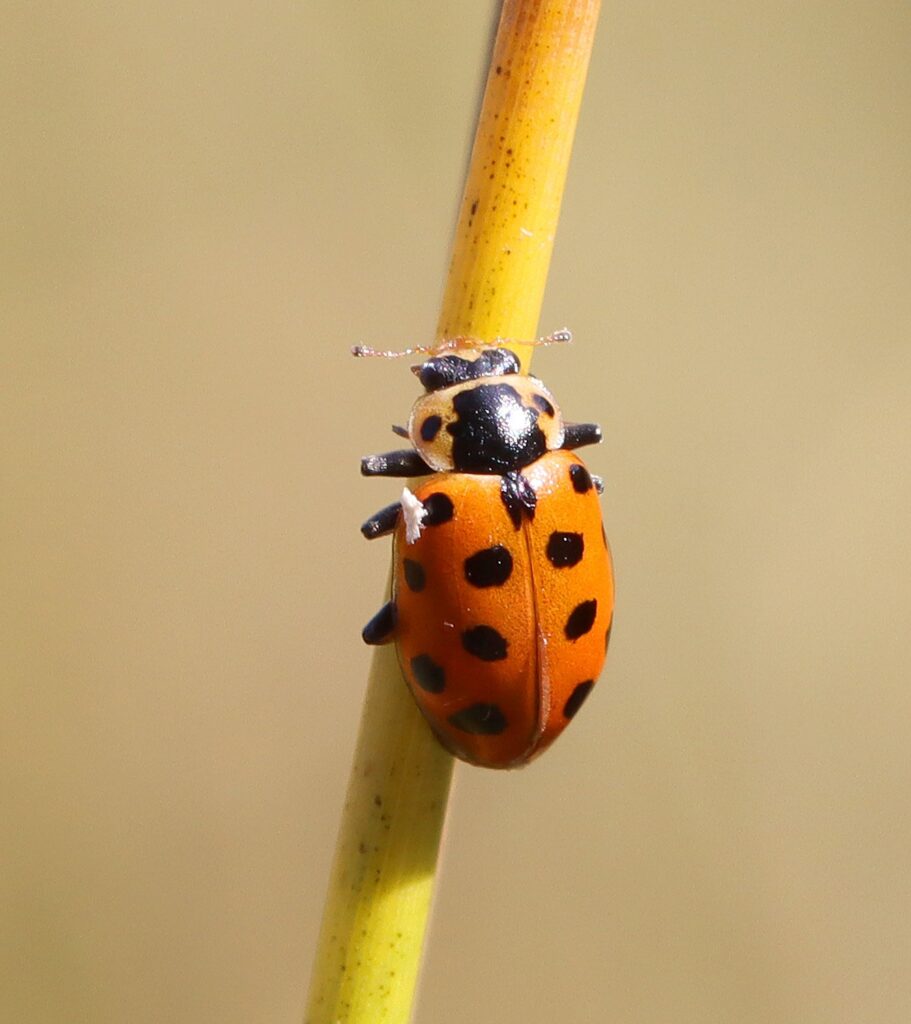
‘Only by creating bigger and better habitats for wildlife will we be able to halt the alarming decline in species loss. This fund will be a key plank in achieving our legally binding targets to halt species loss and protect 30% land for nature by 2030.’
Environment Minister Rebecca Pow announcing the funds for the project in 2024
Laying the ground work
Monitoring sites before, during and after work was – and continues to be – crucial to assess how effective interventions on sites have been for the Species Survival Fund project.
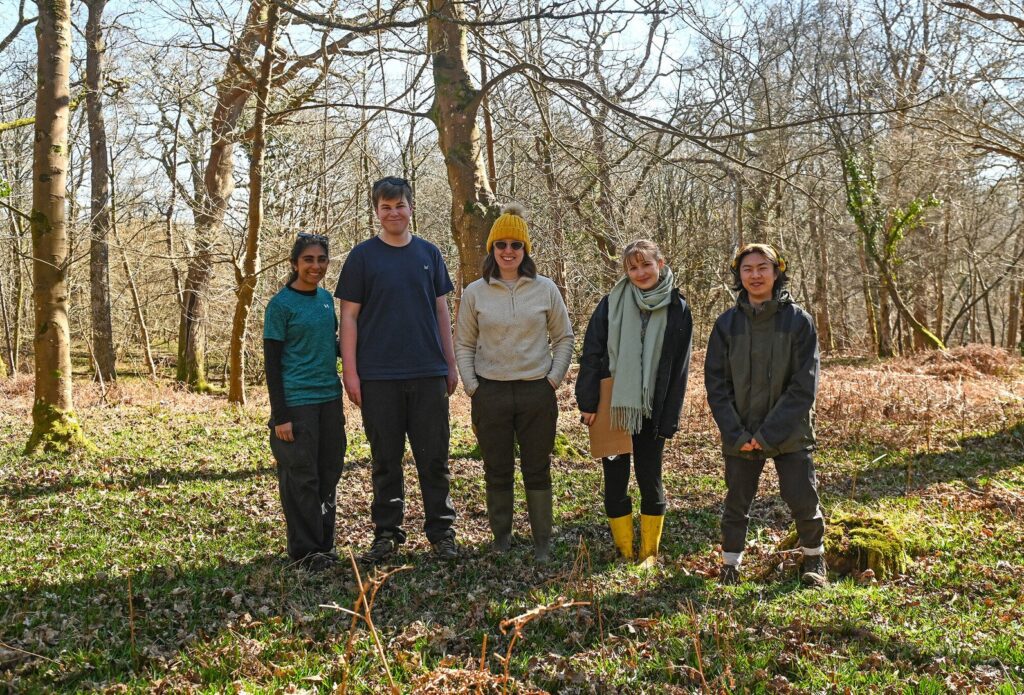
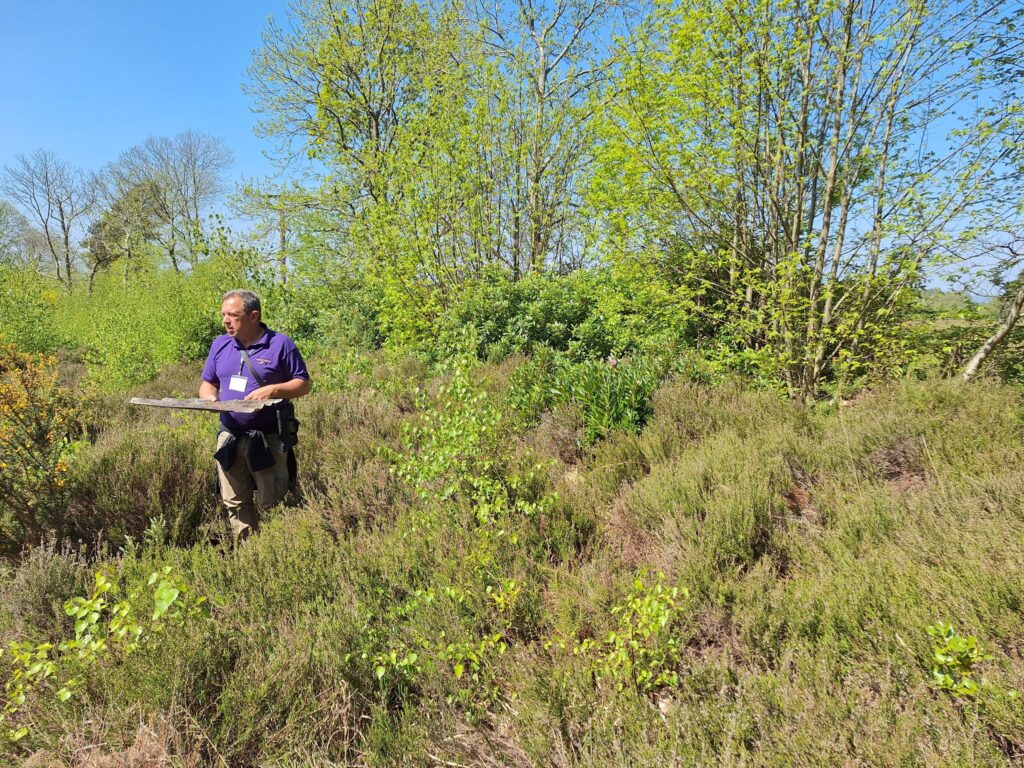
Surveys carried out by Wild New Forest recorded the range of species and habitats on a number of sites, before advising on the specific work required to increase biodiversity and help existing species to be successful for years to come in the Forest.
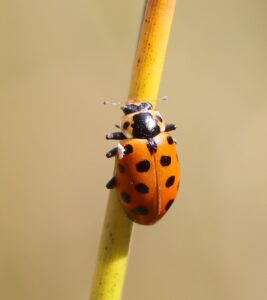
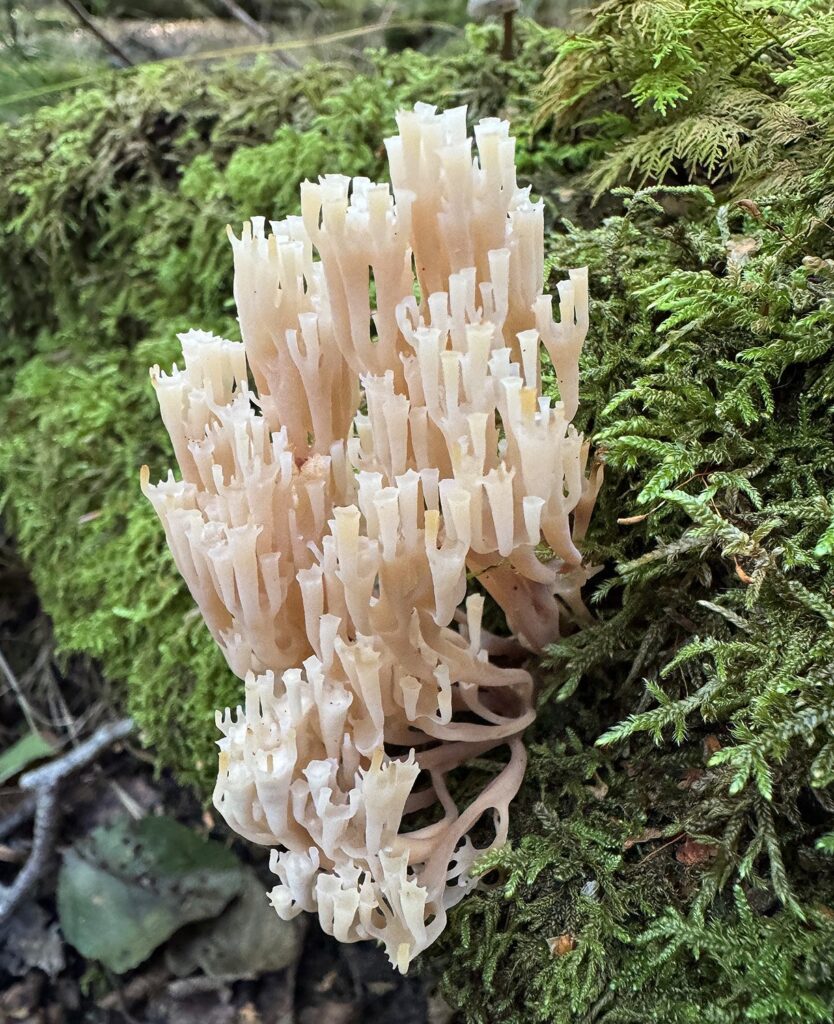
Hundreds of animals, plants and fungi were detected as a result of surveys including goshawk, raft spider, and wood cricket – all priority species that are classified as nationally rare of scarce.
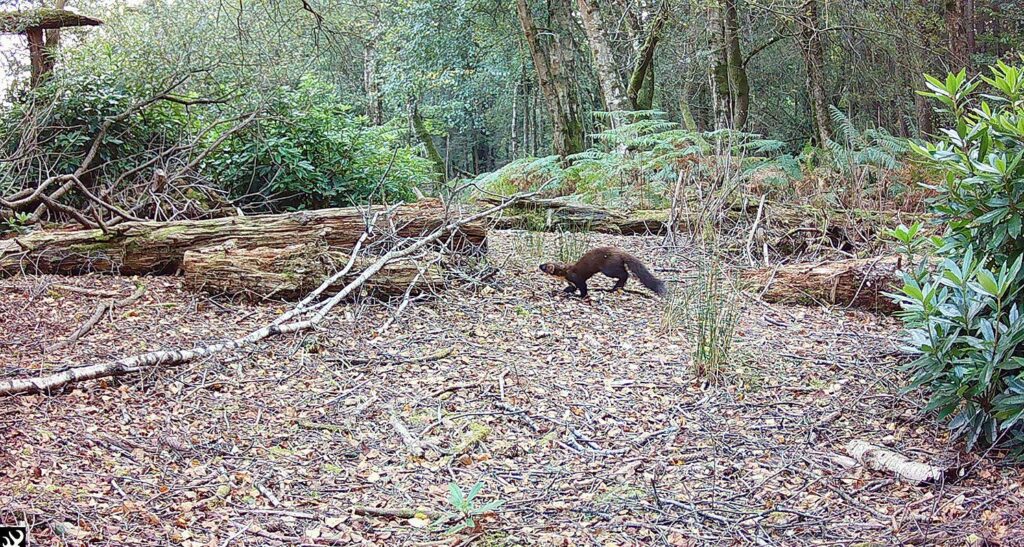
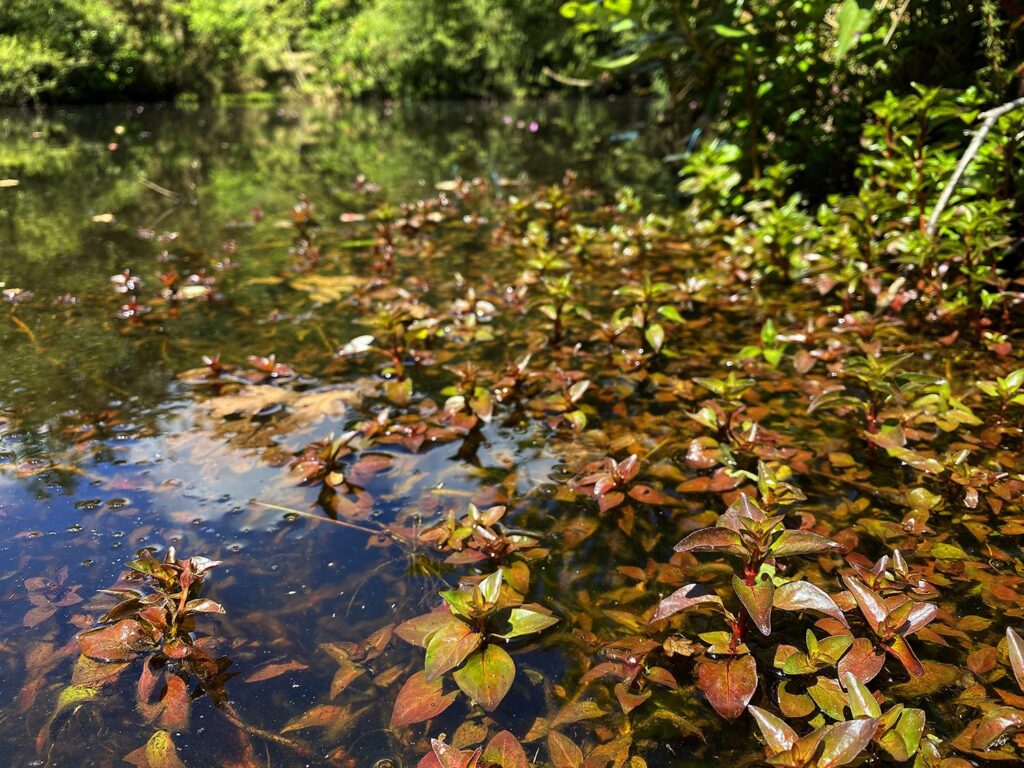
Meanwhile, there were some surprising discoveries such as a new species of fungus for Hampshire, a new pine marten hotspot and a pond full of Hampshire purslane – a nationally rare aquatic plant that is almost wholly restricted to the New Forest.
Opening up habitats for sand lizards and other reptiles
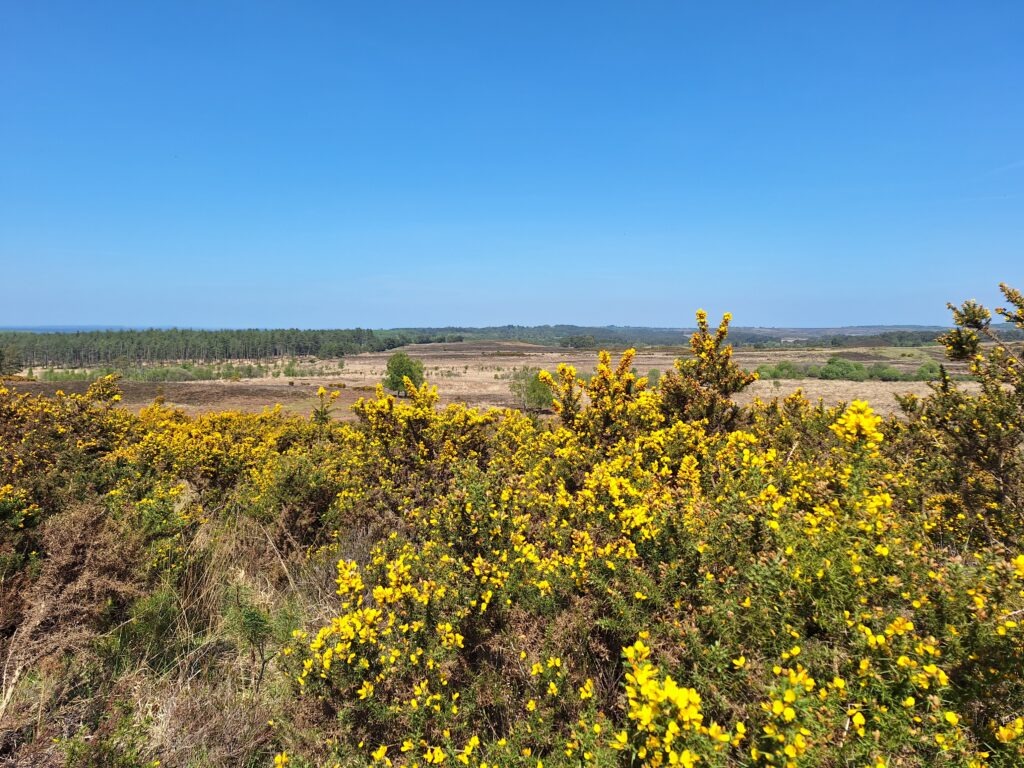
Heathland was both restored and improved to aid reptiles and their habitats in the New Forest.
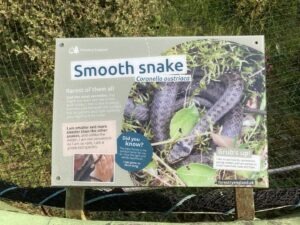
The National Park is one of the few places in the UK that has all six reptile species – adder, smooth snake, grass snake, common lizard, sand lizard and slow worm.
Amphibian and Reptile Conservation (ARC) removed gorse and cleared away top layers of soil to expose sandy spots, which are needed for reptiles to make burrows and lay eggs.
This helped protect and expand the reptiles’ habitats and encouragingly, there was an immediate impact on the reptiles recorded in the area following ARC’s work.
Giving insects and pollinators a boost
A whole host of different insects and pollinators from bees and hoverflies to birds and beetles were given a huge boost thanks to new wildflower meadows and hedgerows.
Hampshire and Isle of Wight Wildlife Trust (HIWWT) carried out the work to boost biodiversity at sites in the New Forest as part of the Species Survival Fund project.
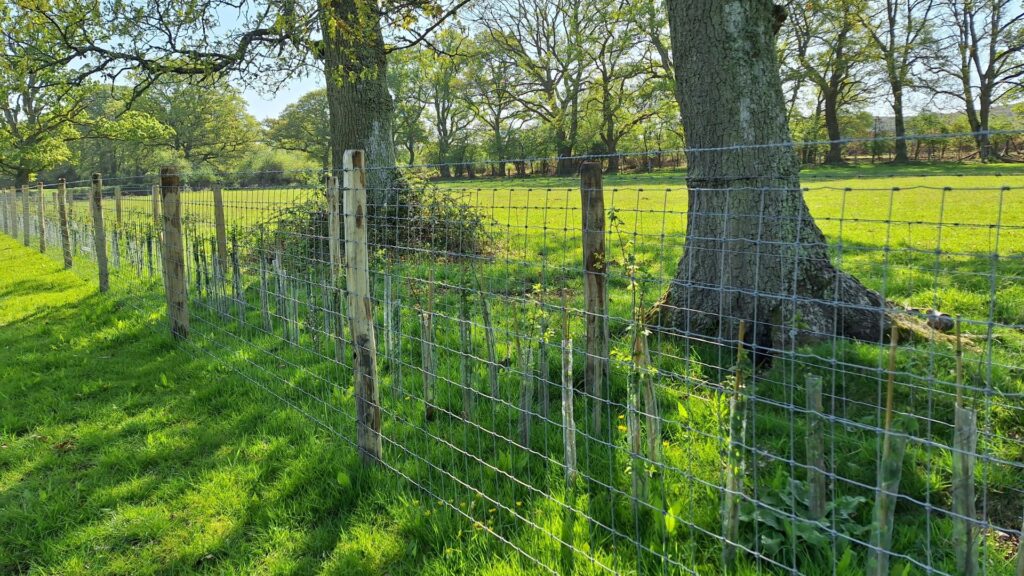
Work ranged from sowing wildflower seeds, planting hedges and installing fencing.
This has improved the size and connectivity of habitats for these insects and pollinators, ensuring they have the best possible chance to thrive for years to come.
Helping both the environment and New Forest farming
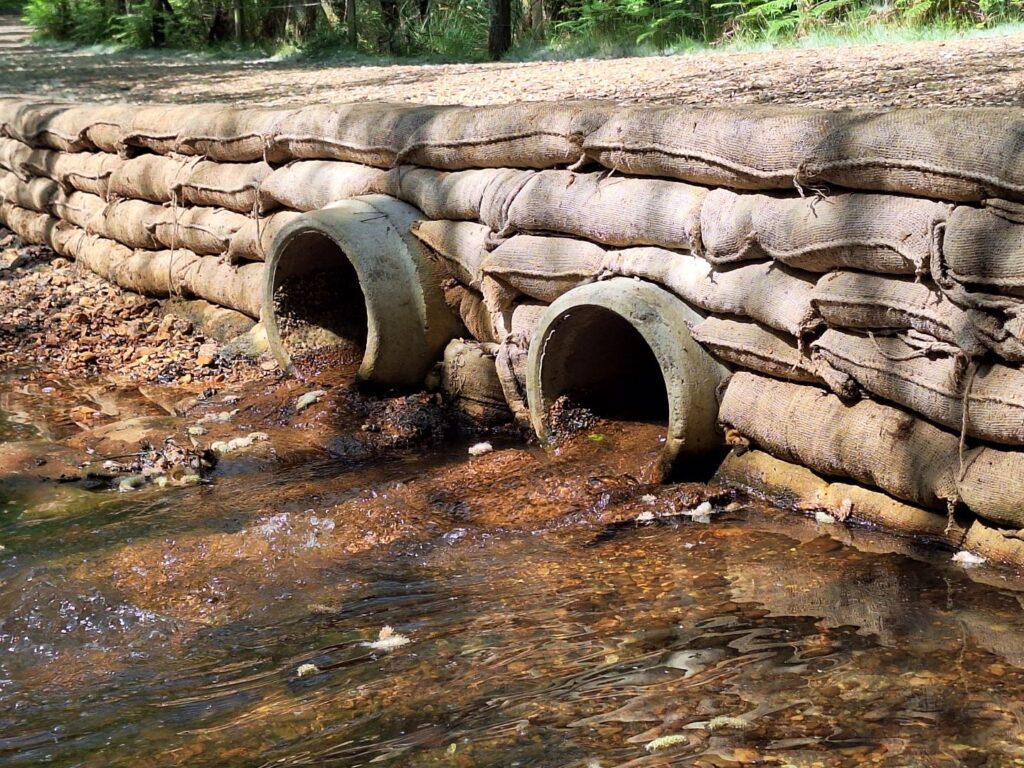
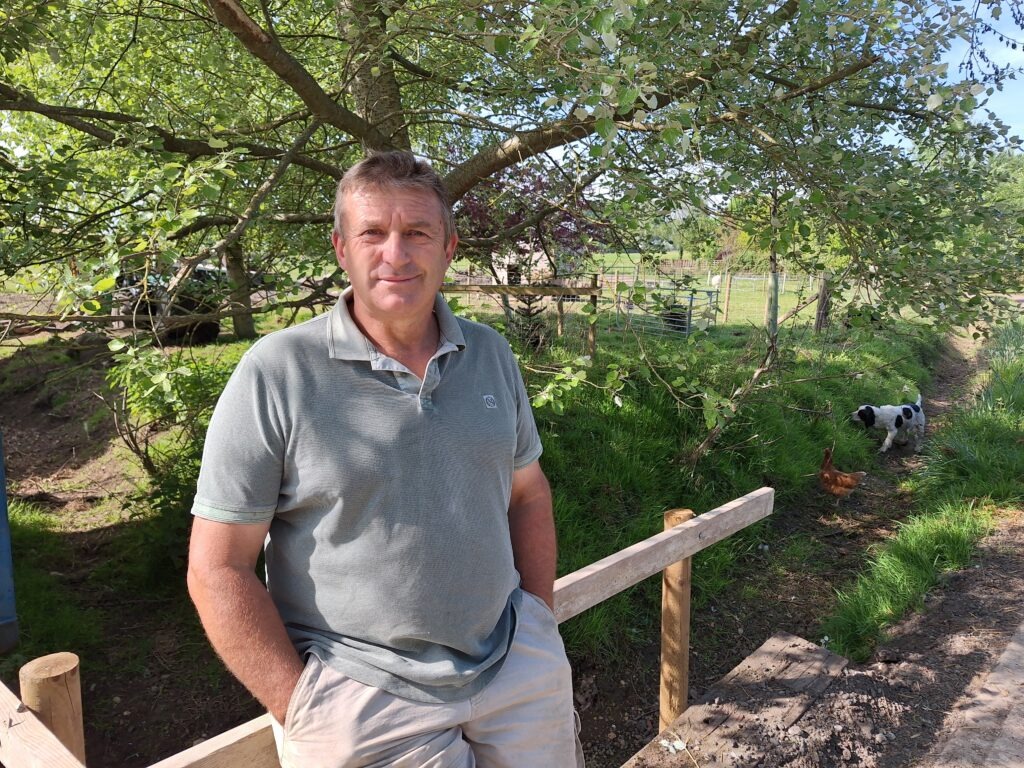
As well as creating ponds, Freshwater Habitats Trust (FHT) delivered a range of other work for the Species Survival Fund project including giving flood prevention advice to New Forest farmers.
On one farm, a culvert was restored and concrete laid to help prevent excess nutrients running off and polluting the water courses.
The work also allowed the farmers – who are New Forest Commoners – to improve the way in which they look after livestock on the site.
It proved a great example of how a partnership between the Commoners and FHT – alongside carefully planned improvements – can help the environment and farming at the same time.
'We've been able to solve things that not just support the delivery of this partnership and this project, but also ensure future investment is directed to nature recovery as effectively and as efficiently as possible.'
John Stride, project co-ordinator for the Species Survival Fund
About the Species Survival Fund
This project was funded by the Government’s Species Survival Fund. The Fund was developed by Defra and its Arm’s-Length Bodies.
It was delivered by The National Lottery Heritage Fund in partnership with Natural England and the Environment Agency.